Menu

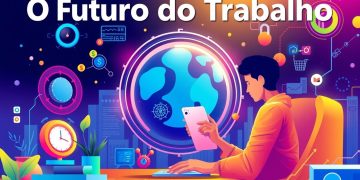
The Future of Work: How Automation and Remote Work Are Transforming Organizations

The workplace is evolving through automation and remote work, enhancing productivity and employee satisfaction. While offering flexibility and broader talent acquisition, organizations face challenges in equity and team cohesion. Success requires strategic investments in technology and training, fostering an adaptable culture for a competitive future.

The Evolution of E-commerce: Trends and Emerging Technologies

The rapid evolution of e-commerce, driven by smartphone adoption, social media integration, and emerging technologies like AI, AR, and blockchain, is reshaping modern shopping. Personalized experiences and sustainability trends enhance consumer engagement, making it essential for businesses to adapt and innovate in this dynamic digital marketplace.

The Influence of Augmented Reality on Consumer Experiences in Retail

Augmented Reality is revolutionizing retail by enhancing consumer experiences through immersive product visualization, interactive shopping, and personalized recommendations. By bridging the gap between online and offline shopping, AR fosters engagement, drives sales, and creates emotional connections that elevate brand loyalty in a competitive marketplace.

Digital Transformation: How Startups Are Revolutionizing Traditional Sectors

Digital transformation is reshaping traditional sectors, with startups leading the way by leveraging technology to enhance efficiency and customer experiences. From telemedicine in healthcare to fintech innovations and e-commerce personalization, these agile companies are redefining industries, promoting inclusivity, and creating new markets in today’s competitive landscape.

The Impact of the Internet of Things (IoT) on the Operational Efficiency of Companies

The Internet of Things (IoT) revolutionizes operational efficiency for companies by enhancing real-time data monitoring, automating processes, and enabling predictive maintenance. As businesses adopt IoT technologies, they streamline operations, reduce costs, and improve decision-making, positioning themselves for success in a competitive marketplace while fostering sustainable growth.

The Role of Fintechs in the Innovation of Financial Services in the USA

Fintechs are revolutionizing financial services in the USA by enhancing accessibility, reducing costs, and promoting financial literacy. By leveraging technology, these companies streamline payments, democratize investments, and expand lending options, creating a more inclusive financial landscape and empowering consumers to take control of their financial futures.

How Blockchain Is Transforming Supply Chains and Business Transparency

Blockchain technology is revolutionizing supply chains by enhancing transparency, traceability, and efficiency. It allows real-time access to data, reduces fraud risk, and improves accountability, fostering trust among stakeholders. As businesses adopt blockchain, they innovate for transparency, sustainability, and improved operations, paving the way for more ethical practices.

The Impact of Artificial Intelligence on Digital Marketing Strategies

Artificial Intelligence is revolutionizing digital marketing strategies by enabling personalized customer interactions, predictive analytics for smarter decision-making, and enhanced targeted advertising. Companies leveraging AI can optimize campaigns, improve customer service through chatbots, and create tailored experiences, ultimately driving engagement, loyalty, and competitive advantage in the marketplace.

The Influence of Social Media on Public Opinion Formation and Digital Democracy

Social media profoundly shapes public opinion and digital democracy by facilitating instant access to information while also fostering echo chambers and misinformation. These platforms empower grassroots movements and diverse voices, but they pose challenges for trust in democratic institutions, emphasizing the need for media literacy in an increasingly polarized landscape.

Smart Cities: The Role of Digital Innovation in Urban Sustainability

The growing trend of smart cities emphasizes the integration of digital innovation for urban sustainability. By leveraging data-driven decision making, energy-efficient technologies, and community engagement, cities can enhance livability and environmental stewardship. Collaboration among stakeholders fosters resilient urban ecosystems that prioritize sustainability and respond effectively to modern challenges.