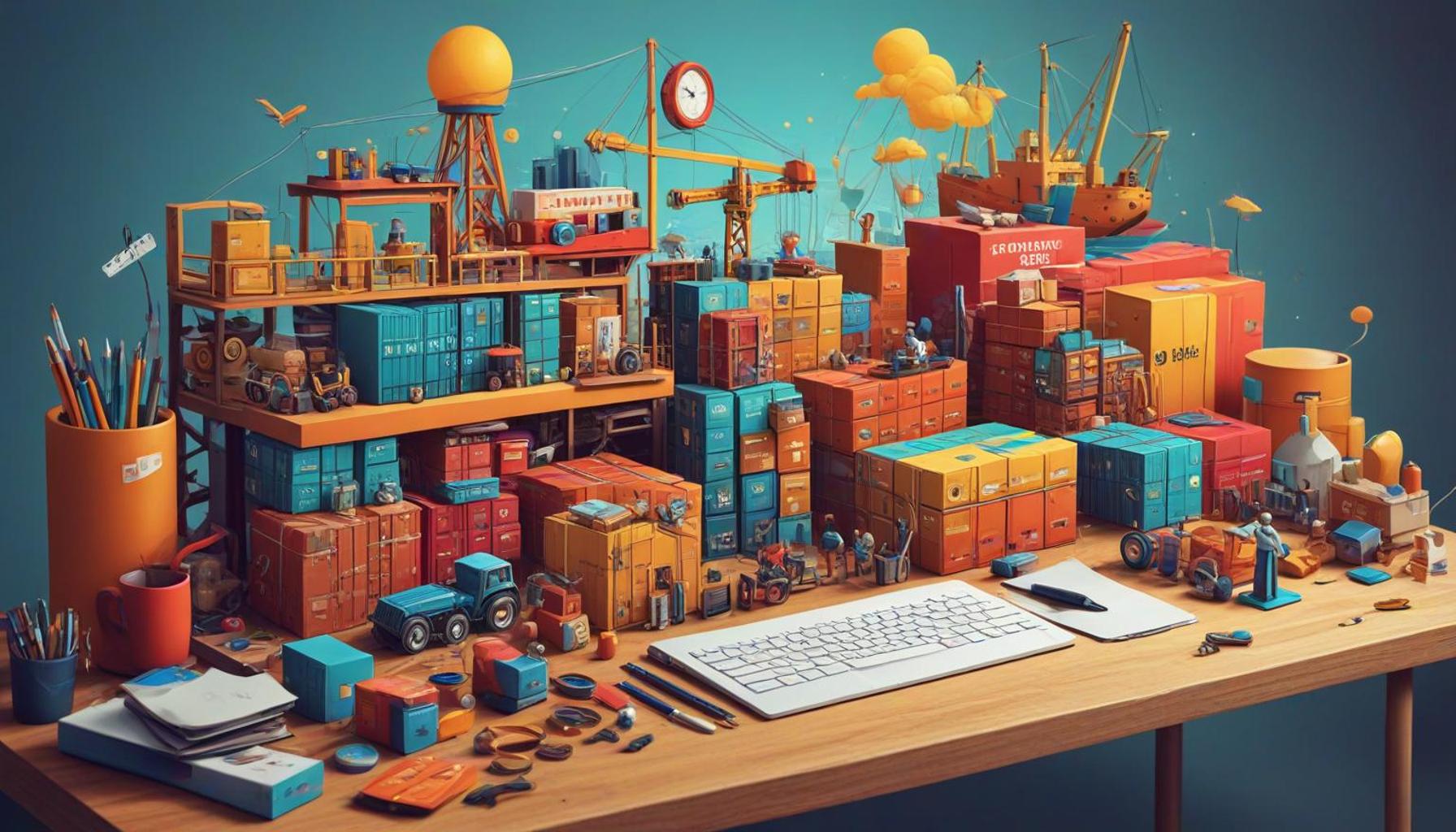
How Blockchain Is Transforming Supply Chains and Business Transparency
The Transformative Impact of Blockchain in Supply Chains
In recent years, blockchain technology has emerged as a revolutionary force, fundamentally reshaping traditional business practices. Its inherent qualities of security, transparency, and efficiency make it particularly impactful in the realm of supply chains, where these attributes are crucial for success. Blockchain is gaining traction, particularly in industries where trust, traceability, and efficiency are paramount. Here are some key aspects of how blockchain is making a difference:
Enhanced Transparency
One of the standout features of blockchain technology is its ability to provide enhanced transparency throughout the supply chain. All parties involved—manufacturers, suppliers, distributors, and consumers—can access real-time data on transactions. This visibility reduces the risk of fraud and negligence, as every transaction is securely logged and cannot be altered without consensus from the network. For example, a retailer can verify the authenticity of claims made by suppliers regarding the sourcing of materials, thus fostering trust.
Traceability
Blockchain also offers remarkable traceability, enabling products to be tracked from their origin to the end consumer. This feature is particularly relevant in industries like food and pharmaceuticals, where the quality and safety of products are critical. If a consumer purchases a product and experiences adverse effects, blockchain allows for pinpointing the exact source of contamination. Companies such as Walmart are utilizing blockchain to trace the journey of food items, drastically reducing the time required to identify sources of contamination from weeks to mere seconds.
Efficiency Improvements
The integration of smart contracts—a form of self-executing contracts with the agreement directly written into code—facilitates significant efficiency improvements. These contracts automatically execute transactions when pre-defined conditions are met, minimizing the need for intermediaries and reducing paperwork. By streamlining these processes, businesses can cut down on transaction times and costs. For instance, in logistics, smart contracts can trigger payments automatically upon delivery confirmation, eliminating delays and disputes.
As a result, companies across the United States are increasingly adopting blockchain technology for its potential to improve operations. For instance, food companies use blockchain to trace the origin of ingredients, thereby ensuring the safety and quality of their products. This not only enhances consumer trust but also strengthens brand credibility. Moreover, the luxury goods sector benefits from blockchain by confirming the authenticity of items, which combats the prevalent issue of counterfeiting. Brands like De Beers and Louis Vuitton have begun implementing blockchain solutions to maintain the integrity of their products.
This shift to blockchain is not merely a trend; it signifies a fundamental change in how businesses operate. By embracing this technology, organizations can build stronger, more transparent relationships with their stakeholders, both upstream and downstream. Ultimately, the integration of blockchain in supply chains is paving the way for more sustainable and responsible business practices that will benefit consumers and businesses alike. As industries continue to evolve, the potential for blockchain to reshape supply chain management remains immense, fostering greater efficiency and accountability.
DISCOVER MORE: Click here to dive deeper
Key Benefits of Blockchain in Supply Chain Management
As businesses recognize the vast potential of blockchain technology, several key benefits emerge that are driving its adoption across supply chains. Let’s delve into how these benefits transform operations and create more resilient systems.
Improved Accountability
Blockchain fosters a culture of improved accountability by enabling all participants in the supply chain to validate and verify transactions. Each action on the blockchain is time-stamped and recorded, creating an immutable record of events. This means that if issues arise, companies can easily trace back through the data to determine who was responsible and where the error occurred. For instance, a clothing brand can trace the production process of a garment back to specific factories, giving them the ability to respond swiftly in case of labor violations or supply chain disruptions.
Cost Reduction
The integration of blockchain can lead to significant cost reductions in supply chain operations. By eliminating intermediaries and reducing the need for paperwork, businesses can save both time and money. Consider a scenario in the shipping industry: traditional methods require extensive documentation and manual reconciliations, which consume valuable resources. With blockchain, shipping documents can be digitized and shared securely among parties, streamlining processes and dramatically cutting administrative costs.
Real-Time Collaboration
Blockchain technology enhances real-time collaboration among supply chain partners. It enables the sharing of crucial information among stakeholders in a secure environment. For example, when manufacturers, suppliers, and retailers are all connected through blockchain, they can collectively monitor inventory levels and demand patterns. This information enables businesses to synchronize operations better, leading to minimized stockouts and overstock situations. A practical application of this is seen in the automotive industry, where manufacturers may collaborate more effectively with suppliers to ensure the timely availability of parts, optimizing production schedules.
- Visibility: All participants can view and track products in real-time, reducing delays.
- Data Security: The decentralized nature of blockchain ensures data integrity, preventing tampering.
- Faster transactions: With automation through smart contracts, transactions can occur in real-time without manual intervention.
The shift towards blockchain in supply chains also brings competitive advantages. By utilizing this innovative technology, businesses can streamline operations, enhance customer satisfaction, and uphold ethical sourcing standards. For example, consumers today increasingly seek transparency regarding the sourcing of products, and companies that adopt blockchain can assure customers of their commitment to ethical practices. As more organizations embrace these technologies, we see a growing trend towards increased responsibility and sustainability across industries.
In conclusion, the impact of blockchain in supply chains goes beyond just operational improvements; it is paving the way for businesses to operate in a more transparent, trustworthy, and efficient manner. The ongoing evolution in how companies leverage blockchain will ultimately redefine standards in supply chain management.
DIVE DEEPER: Click here to learn how finances impact your mental well-being
Enhancing Traceability and Product Integrity
One of the most significant features of blockchain technology is its ability to enhance traceability within supply chains. As consumers become increasingly concerned about the origins of the products they purchase, companies are leveraging blockchain to provide a clear and verifiable path from raw materials to final goods. This capability not only satisfies consumer demand for transparency but also helps businesses comply with regulatory requirements.
Food Safety and Quality Assurance
The food industry is a prime example of how blockchain can revolutionize traceability. Consider the case of a foodborne illness outbreak. With traditional methods, tracing the source of contaminated products can take days or even weeks, risking further health issues and significant financial loss. However, by using blockchain, every product can be linked to its supply chain journey, providing immediate information on its origins and distribution. This serves as a powerful tool for food companies to respond swiftly to safety concerns. For instance, major grocery chains can rapidly identify and remove contaminated products from their shelves, minimizing risk to consumers.
Combatting Counterfeiting
Blockchain also plays a crucial role in combating counterfeiting, particularly in industries where authenticity is paramount, such as luxury goods and pharmaceuticals. Counterfeit products not only harm brand reputation but can also pose serious health risks. With blockchain, each product can be assigned a unique digital identity that captures its history and ownership. For example, a luxury handbag manufacturer can utilize blockchain to issue a digital certificate of authenticity for each product, allowing consumers to verify its origin and legitimacy before purchase. In the pharmaceutical industry, blockchain can track medications from manufacturer to pharmacy, ensuring that patients receive genuine products.
Environmental Sustainability
As sustainability becomes more critical in business operations, blockchain enables companies to demonstrate their commitment to environmentally-friendly practices. By providing a transparent view of the supply chain, businesses can disclose their carbon footprint and sustainability measures. For example, a coffee brand could showcase its sourcing practices by indicating that its beans come from certified sustainable farms. Customers are increasingly more inclined to support brands that align with their values, and blockchain serves as a platform for businesses to communicate their efforts in sustainability effectively.
- Informed Decision-Making: Access to real-time data allows companies to make quick, informed decisions related to inventory levels, production schedules, and sourcing decisions.
- Consumer Empowerment: Consumers can make more informed choices based on the transparency and traceability provided through blockchain.
- Enhanced Collaboration: With open access to blockchain records, various parties in the supply chain can align their strategies and foster stronger partnerships.
In summary, the implementation of blockchain technology fosters a heightened level of traceability and authenticity across supply chains. By addressing issues of counterfeiting and showcasing sustainability efforts, companies can not only elevate their own brand health but also create a sense of trust with consumers. As businesses continue to explore the various applications of blockchain technology, the movement toward greater transparency and ethical practices will undoubtedly reshape industries for the better.
DISCOVER MORE: Click here to dive deeper
Conclusion
In conclusion, blockchain technology is fundamentally reshaping the landscape of supply chains and business transparency. By fostering an environment of trust and accountability, blockchain enables companies to not only enhance traceability but also bolster product integrity. The ability to track products from their origin to the consumer empowers businesses to respond efficiently to issues like food safety incidents or counterfeit goods, reflecting a commitment to quality and consumer welfare.
Moreover, as sustainability takes center stage in consumer priorities, blockchain offers a transparent framework for companies to showcase their ethical practices. When customers can see the actual journey of a product, from sustainable sourcing to the final sale, it enhances their trust in a brand. This transparency not only builds customer loyalty but also encourages companies to adopt more responsible sourcing strategies.
With its potential for real-time data access and improved collaboration across the supply chain, blockchain doesn’t merely enhance efficiency; it fundamentally transforms how businesses operate. As we look to the future, the challenge lies in encouraging broader adoption and integration of blockchain solutions across various sectors.
Ultimately, the ongoing evolution of blockchain technology presents an exciting opportunity for companies to innovate while promoting a more ethical and transparent marketplace. By embracing these technologies today, businesses can secure a competitive edge tomorrow, paving the way for a new era of supply chains driven by trust and respect.

Linda Carter
Linda Carter is a writer and financial expert specializing in personal finance and financial planning. With extensive experience helping individuals achieve financial stability and make informed decisions, Linda shares her knowledge on our platform. Her goal is to empower readers with practical advice and strategies for financial success.