Digital Transformation: How Startups Are Revolutionizing Traditional Sectors
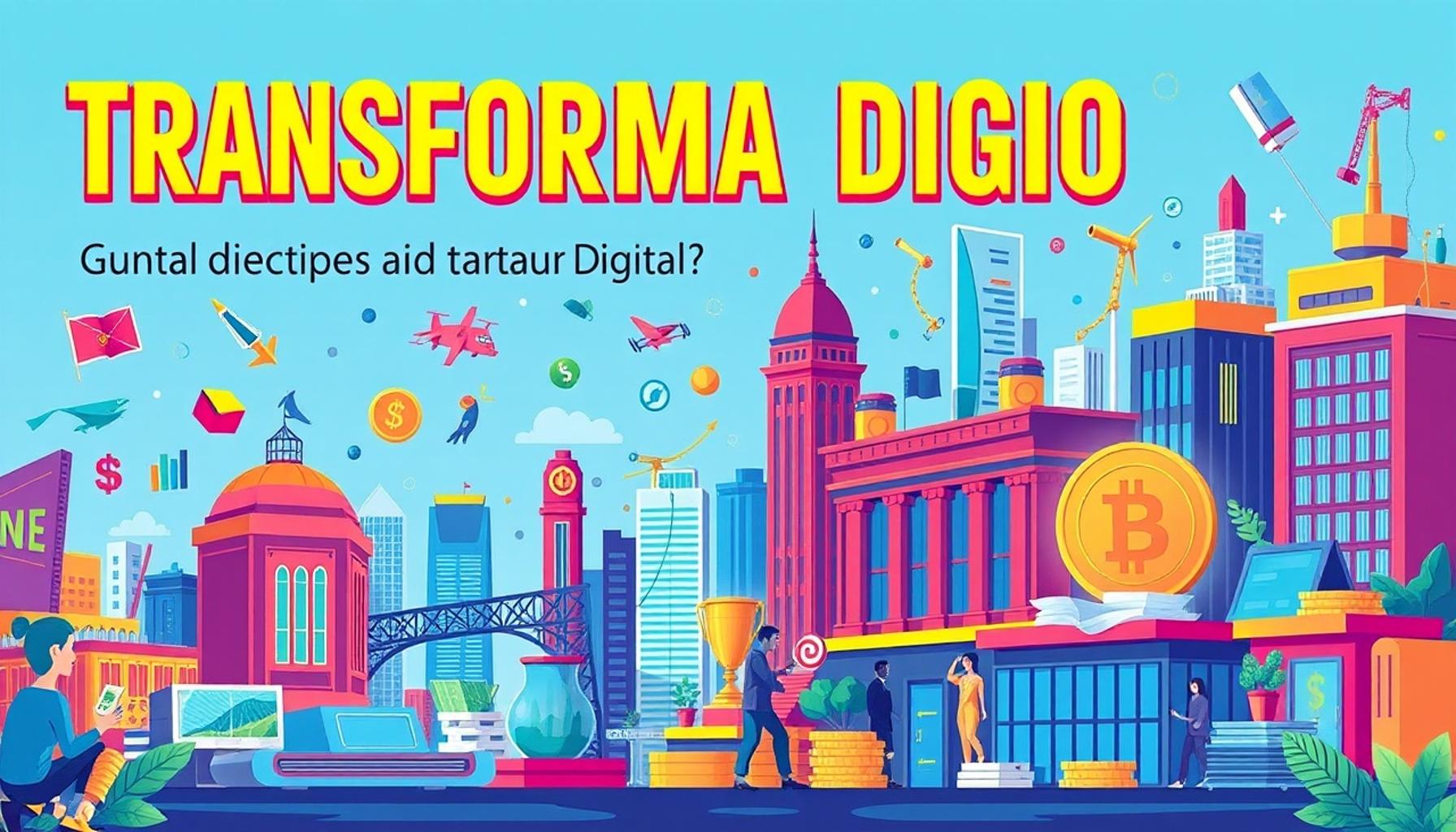
The landscape of business is shifting rapidly, and one cannot overlook the profound changes heralded by digital transformation. Companies of all sizes are adopting innovative strategies to remain competitive in an ever-evolving marketplace. At the forefront of this movement are startups, which are vigorously disrupting traditional sectors by harnessing cutting-edge technologies and new methodologies to drive change.
Startups leverage digital tools to enhance efficiency, streamline operations, and create entirely new markets. By doing so, they challenge established businesses to adapt or risk obsolescence. This phenomenon can be observed across various industries, where digital-first approaches are becoming the norm rather than the exception.
Key Areas of Impact
- Healthcare: In the healthcare sector, startups are revolutionizing the delivery of services through telemedicine. Platforms like Teladoc and Doctor on Demand allow patients to consult with healthcare professionals remotely via video calls or chat. This innovation greatly improves access to medical care, especially for individuals in rural areas or those with mobility challenges, thereby paving the way for a more inclusive healthcare system.
- Finance: The finance sector is experiencing unprecedented change due to the rise of fintech companies. These organizations utilize mobile applications and blockchain technology to make banking more accessible and efficient. For instance, Chime offers users a no-fee online banking experience, while platforms like Robinhood empower individuals to invest without the high fees traditionally associated with stock trading. This democratization of financial services enables more people to participate in the economy.
- Retail: The retail landscape is being transformed by e-commerce platforms, which provide personalized shopping experiences using AI and data analytics. Companies like Amazon harness vast amounts of consumer data to recommend products tailored to individual preferences, significantly enhancing customer satisfaction. This level of personalization fosters loyalty and drives higher conversion rates.
Benefits of Digital Transformation
By embracing digital transformation, businesses are uncovering a multitude of benefits. For instance, the transition to digital workflows can lead to increased efficiency. Automation technologies, such as robotic process automation (RPA), minimize human error and free up employees to focus on more strategic tasks.
Another critical advantage is the enhanced customer experience that many businesses are providing. By utilizing data to understand consumer behavior, companies can tailor their offerings, making interactions not just transactions but engaging experiences. For example, Netflix’s use of algorithms to recommend shows creates a personalized viewing experience that keeps customers coming back.
Moreover, businesses now have the ability to access new markets through online platforms. This global reach allows small startups to compete with larger corporations without needing a physical presence in every country. For instance, Etsy enables artisans from around the world to sell their crafts to a global audience, fostering entrepreneurship irrespective of geographical boundaries.
This revolution is not merely about adopting new technology; it represents a fundamental shift in how organizations engage with customers and improve their products and services. With each new startup, we witness a reshaping of industries that have traditionally remained unchanged, continuously creating a more dynamic and competitive environment. The future belongs to those who are willing to embrace the ethos of digital transformation and leverage it to thrive in the new economy.
DISCOVER MORE: Click here to learn about the psychology behind your financial choices
Disruption Across Industries
As startups drive digital transformation, the impact is felt across numerous sectors, each undergoing a significant redefinition of how they operate and serve their customers. Here are some notable examples that illustrate the breadth of this revolution:
Real Estate
The real estate market has traditionally relied on lengthy processes and face-to-face interactions. However, startups such as Opendoor and Zillow have introduced platforms that streamline buying and selling homes. Opendoor allows users to receive instant offers on their homes by utilizing algorithms to assess property values quickly. This method eliminates the ambiguity of property listing, making transactions fast and efficient. As a result, homeowners and potential buyers benefit from an accessible and expedited experience in navigating real estate.
Transportation and Logistics
Ride-sharing apps like Uber and Lyft have revolutionized the transportation industry by providing on-demand services directly through mobile devices. These startups not only challenge traditional taxi services but also push for innovations in urban transportation infrastructure. Meanwhile, logistics companies such as Flexport are leveraging technology to simplify international shipping processes, offering real-time tracking and transparent pricing that were previously unavailable to many shippers.
Education
The education sector is experiencing a transformation driven by startups that employ digital tools to enhance learning experiences. Platforms like Coursera and Khan Academy provide access to high-quality educational content to anyone with an internet connection. This democratization of learning means that individuals who may not have access to traditional educational institutions can still receive valuable knowledge and skills. Furthermore, adaptive learning technologies enable personalized educational experiences tailored to individual learning paces and styles.
Key Drivers of Change
The influence of startups on traditional sectors is supported by several key factors:
- Technological Advances: Emerging technologies such as artificial intelligence (AI), machine learning, and the Internet of Things (IoT) empower startups to offer innovative solutions that were once unfeasible.
- Consumer Expectations: Today’s consumers demand convenience, flexibility, and personalized experiences. Startups are quick to respond to these needs, creating products and services that drive customer satisfaction.
- Access to Capital: Increasing venture capital investment allows startups to experiment and scale rapidly without the constraints often faced by established companies.
This transformative wave is not simply redefining existing practices but is also setting new standards across industries. The continued creativity and agility of startups encourage traditional businesses to rethink their own strategies and embrace digital change. In doing so, they collaborate and sometimes compete, ultimately reshaping our economy and society as a whole.
LEARN MORE: Click here for essential budgeting tips
Innovating Healthcare and Financial Services
Healthcare and financial services are two sectors that demonstrate the significant disruption driven by startups, redefining how these industries operate and interact with consumers. With digital tools and technology, these startups are providing solutions that were previously unimaginable.
Healthcare
The healthcare industry has often been criticized for its inefficiencies and high costs. However, startups like Oscar Health and Teladoc Health are transforming the landscape through technology-driven solutions. Oscar Health leverages data analytics to offer personalized health insurance plans, making healthcare more accessible and affordable for consumers. By utilizing telemedicine, Teladoc Health allows patients to consult with medical professionals via video calls, cutting down on wait times and eliminating the need for physical visits unless necessary.
Other startups, such as Zocdoc, are enhancing the patient experience by providing an online platform for booking appointments with healthcare providers in real-time. This initiative not only simplifies the process of finding doctors but also offers transparent reviews, enabling users to make informed decisions about their healthcare. By prioritizing user experience, these companies are taking steps to modernize a traditionally slow-moving sector.
Financial Services
Following suit, the financial services industry has seen a surge in startups that leverage technology to enhance user experiences and streamline processes. Companies such as Robinhood and Square are leading the charge by making trading and financial transactions accessible to the average consumer. Robinhood, with its commission-free trading platform, empowers individuals to invest in the stock market without the financial barriers typically associated with brokerage services.
Square has revolutionized payment processing for small businesses by providing easy-to-use tools that facilitate transactions on-the-go. This is particularly beneficial for entrepreneurs who previously lacked access to sophisticated payment solutions. By combining traditional financial services with digital platforms, these startups are creating more inclusive financial ecosystems that cater to an increasingly tech-savvy population.
The Role of Data Analytics
At the heart of these transformations across various sectors is the use of data analytics. Startups can harness vast amounts of data to identify consumer trends, deliver personalized services, and create innovative solutions. For instance, in retail, startups like Stitch Fix use algorithms to recommend clothing tailored to individual customers’ preferences, bridging the gap between e-commerce and personalized shopping experiences.
Moreover, startups in agriculture, such as Farmers Business Network, are utilizing data analytics to provide farmers with critical insights into crop performance and market trends, thereby empowering them to make better decisions that directly impact their yields and profits.
Challenges and Opportunities
Despite the incredible potential of startups in driving digital transformation, they also face significant challenges, such as regulatory hurdles and competition from well-established companies. Traditional businesses often have more resources and a loyal customer base. However, these challenges present opportunities for collaboration and innovation, as many established companies are now investing in or partnering with startups to remain competitive in a rapidly changing market.
This synergy can foster a dynamic environment where innovative ideas can flourish, leading to the continuous evolution of industries. As startups increasingly challenge conventions and push the boundaries of what is possible, both sectors and consumers stand to benefit immensely from this ongoing digital revolution.
DIVE DEEPER: Click here to learn more
Conclusion
The phenomenon of digital transformation is profoundly reshaping traditional sectors, with startups at the forefront of this revolution. By harnessing advanced technologies, these agile companies are not only challenging established norms but also creating significant improvements in user experience across various industries, including healthcare and financial services. Startups such as Oscar Health, Robinhood, and many others show us how innovation can drive inclusivity and accessibility, allowing consumers to engage more actively with the services they rely on.
Moreover, the strategic use of data analytics enables these newer companies to understand consumer needs and preferences better than ever before. This data-driven approach empowers them to deliver personalized solutions while also fueling innovation in sectors like retail and agriculture, enhancing operational efficiency and decision-making processes.
While the challenges of regulatory environments and competition from traditional players remain, the opportunities for collaboration between startups and established firms are ripe for exploration. This synergy can lead to a more agile market landscape, where innovative ideas not only gain traction but also pave the way for a sustainable future.
In conclusion, as startups continue to revolutionize traditional sectors, they hold the key to a more efficient and inclusive marketplace. Looking ahead, it will be crucial for stakeholders in these industries to embrace change and adapt to the evolving digital landscape, ensuring that both businesses and consumers can thrive in this new era of innovation.

Linda Carter
Linda Carter is a writer and financial expert specializing in personal finance and financial planning. With extensive experience helping individuals achieve financial stability and make informed decisions, Linda shares her knowledge on our platform. Her goal is to empower readers with practical advice and strategies for financial success.