Menu

Real Estate Speculation: The Cultural Impact of Housing as Investment

The article explores the cultural impact of viewing housing as an investment in the U.S., highlighting increased market volatility, gentrification, and the emergence of transient communities. It emphasizes the need for strategies that balance investment with community well-being to preserve social cohesion and cultural integrity.

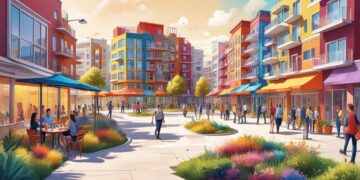
The Role of Public Spaces in Community Building and Real Estate Development

Public spaces are essential for community cohesion and real estate development, fostering social interaction, improving well-being, and enhancing property values. These areas attract businesses, promote health, and create unique identities, while their strategic integration in urban planning can boost local economies and support sustainable growth for future generations.

Co-Housing Spaces: A Reflection on Changing Social Relations

Co-housing is an innovative living model that fosters community engagement, sustainability, and shared resources, addressing urban challenges like affordability and social isolation. By promoting collaboration and diverse interactions, these spaces enhance residents' well-being and enrich local economies, offering a viable alternative to conventional living arrangements.


The Cultural Importance of Home in a Post-Pandemic World

The article explores how the pandemic has transformed the concept of home into a multi-dimensional sanctuary for emotional well-being, social connection, and productivity. Homes now reflect personal values and cultural heritage while fostering community ties and social activism, emphasizing their crucial role in individual identity and well-being in contemporary society.

The Future of Aging in Place: Designing Homes for an Aging Population

As the aging population grows, innovative home designs are essential for supporting seniors who wish to age in place. Key considerations include accessibility, safety, and technology integration, alongside fostering community connections to enhance independence and quality of life for older adults. Collaboration among stakeholders is vital in this endeavor.

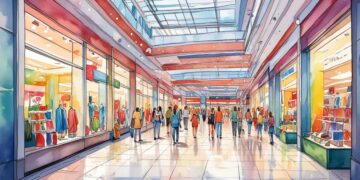
The Transformation of Retail Spaces: From Shopping Malls to Mixed-Use Developments

The retail landscape is rapidly evolving from traditional malls to mixed-use developments, integrating various functions such as shopping, dining, and entertainment. This shift reflects changing consumer preferences for experience over transactions, fostering community engagement and adaptability while emphasizing local identity and sustainability in urban environments.

Assessing the Role of Innovation in Increasing Export Potential: Perspectives from Recent Research

This article explores how innovation drives export potential for businesses in a globalized market. It emphasizes the importance of product development, process innovation, and market adaptation in enhancing competitiveness. By fostering a culture of innovation, companies can better navigate international challenges and seize new opportunities for growth.

The Influence of Exchange Rate Fluctuations on Export Competitiveness: Recent Trends

The article explores how exchange rate fluctuations impact export competitiveness, emphasizing their effects on pricing, market share, and cost advantages. It highlights the need for exporters to adopt strategic risk management practices, including hedging and leveraging technology, to navigate the complexities of international trade and maintain competitiveness in a dynamic economy.

The Impact of Agricultural Exports on Global Market Dynamics: A Comprehensive Analysis

Agricultural exports play a crucial role in the global economy, influencing trade balances, market prices, and food security. While they drive economic growth and employment, challenges such as climate change and regulatory complexities persist. Addressing these issues through innovation and strategic partnerships can enhance sustainability and competitiveness in international markets.

Developments in Trade Policy and Their Impact on the Export Landscape in the Post-Pandemic Era

The global trade landscape has transformed post-pandemic, prompting shifts in trade policy, digital agreements, and protectionism. American exporters face challenges and opportunities as they adapt to emerging technologies and geopolitical factors, emphasizing the need for agility and compliance to thrive in this complex environment.