Menu

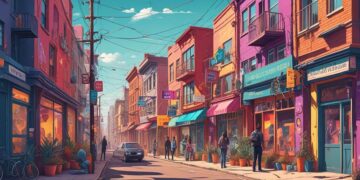
The Rise of Remote Work: Redefining Urban and Suburban Spaces

The rise of remote work is transforming urban and suburban landscapes, driving increased demand for home office spaces and sparking migration from cities to more spacious areas. This shift is reshaping real estate, community planning, and local economies, fostering innovative developments that cater to a flexible workforce.

The Influence of Sustainability on Real Estate Values and Buyers’ Preferences

The article discusses the growing influence of sustainability on real estate, highlighting increased buyer preference for energy-efficient and eco-friendly properties. It explores how sustainable features enhance property values, supported by government incentives and technological advancements, leading to a transformative shift in the real estate market towards responsible consumption and investment.

The Intersection of Race and Real Estate: Historical Contexts and Current Realities

The article explores the historical and ongoing challenges at the intersection of race and real estate in the U.S. It examines the lasting impacts of redlining, discriminatory practices, and urban policies on homeownership disparities and wealth accumulation for marginalized communities, emphasizing the need for equitable reforms and inclusive housing policies.

Gentrification in the Age of Social Media: A Double-Edged Sword

The article explores how social media influences gentrification, amplifying both community engagement and challenges. While it raises awareness and facilitates activism, it also drives property values and displaces long-term residents. Understanding these dynamics is vital for fostering equitable urban growth and preserving community identity amid change.

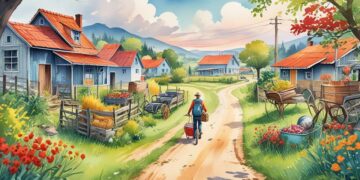
The Resurgence of Rural Life: Escaping Urban Routine

A growing number of Americans are migrating to rural areas, seeking improved quality of life, lower living costs, and stronger community connections. The rise of remote work and a desire for sustainability are driving this trend, allowing individuals to escape urban chaos for a more fulfilling existence in nature.

Real Estate Speculation: The Cultural Impact of Housing as Investment

The article explores the cultural impact of viewing housing as an investment in the U.S., highlighting increased market volatility, gentrification, and the emergence of transient communities. It emphasizes the need for strategies that balance investment with community well-being to preserve social cohesion and cultural integrity.

The Role of Public Spaces in Community Building and Real Estate Development

Public spaces are essential for community cohesion and real estate development, fostering social interaction, improving well-being, and enhancing property values. These areas attract businesses, promote health, and create unique identities, while their strategic integration in urban planning can boost local economies and support sustainable growth for future generations.

Co-Housing Spaces: A Reflection on Changing Social Relations

Co-housing is an innovative living model that fosters community engagement, sustainability, and shared resources, addressing urban challenges like affordability and social isolation. By promoting collaboration and diverse interactions, these spaces enhance residents' well-being and enrich local economies, offering a viable alternative to conventional living arrangements.

The Cultural Importance of Home in a Post-Pandemic World

The article explores how the pandemic has transformed the concept of home into a multi-dimensional sanctuary for emotional well-being, social connection, and productivity. Homes now reflect personal values and cultural heritage while fostering community ties and social activism, emphasizing their crucial role in individual identity and well-being in contemporary society.

The Future of Aging in Place: Designing Homes for an Aging Population

As the aging population grows, innovative home designs are essential for supporting seniors who wish to age in place. Key considerations include accessibility, safety, and technology integration, alongside fostering community connections to enhance independence and quality of life for older adults. Collaboration among stakeholders is vital in this endeavor.