Trends in Sustainability: Green Technologies That Are Changing the Business Landscape
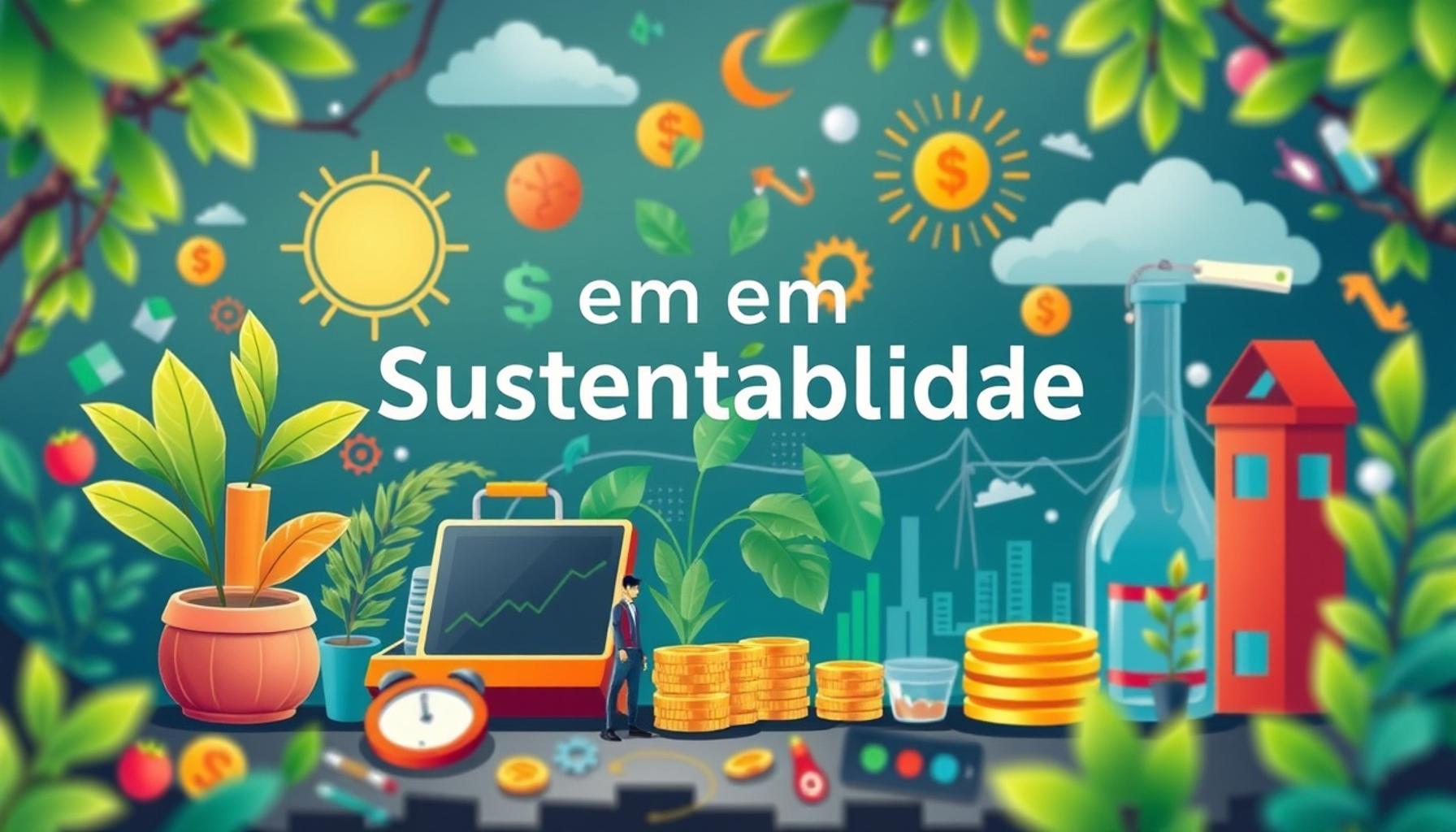
The Rise of Sustainable Business Practices
In recent years, there has been a remarkable transformation in the way companies approach their operations, influenced largely by a growing awareness of environmental issues. This movement towards sustainability involves integrating practices that not only help protect the planet but also enhance business efficiency and profitability. As consumers increasingly prioritize eco-friendly options, businesses recognize that adopting green technologies can serve both ethical and economic purposes.
Innovations Driving Sustainable Change
Various innovative technologies are at the forefront of this transition, helping businesses reduce their environmental impact while improving efficiency and reducing costs. The following are notable examples that illustrate this shift:
- Solar Power: Many businesses across the United States are investing in solar energy installations. By harnessing the sun’s energy through solar panels, companies can significantly lower their energy bills. For instance, tech giant Apple has committed to using 100% renewable energy for its operations. This switch not only reduces operational costs but also boosts the company’s image as a leader in sustainability.
- Electric Vehicles: A growing number of businesses are transitioning their fleets to electric vehicles (EVs). By doing so, they are cutting down on harmful emissions and reducing their dependence on fossil fuels. For example, in 2020, FedEx announced its plan to transition to an all-electric delivery fleet by 2040, demonstrating a commitment to reducing greenhouse gas emissions while also anticipating cost savings on fuel over time.
- Smart Technology: Automation and smart grid technologies greatly enhance energy management. These systems enable businesses to monitor and adjust their energy usage in real-time, leading to increased operational efficiency. For instance, Walmart uses smart technology to optimize its energy consumption, ultimately cutting down costs while maintaining a responsible environmental footprint.
Benefits Beyond Profit
Embracing sustainability is no longer just an optional strategy for companies; it has become essential in a competitive marketplace. Companies adopting these technologies not only bolster their reputations as responsible organizations but also cater to a growing consumer base that prioritizes sustainable practices. Moreover, environmentally conscious businesses often find they attract top talent who want to work for companies with strong ethical values.
In conclusion, the integration of green technologies represents a significant evolution in business strategy. As more companies commit to sustainable practices, we can anticipate a future where eco-friendliness is not only an industry standard but also pivotal for long-term success. Adopting these innovative solutions is beneficial for the planet, society, and the corporate bottom line, making sustainability a vital component of modern business.
EXPLORE MORE: Click here to learn how to choose the perfect credit card
Transformative Green Technologies Shaping the Future
As companies strive toward a more sustainable future, several green technologies are leading the charge, helping businesses minimize their environmental footprints while simultaneously increasing operational efficiency. These innovations are not just trends; they represent long-term changes that can fundamentally alter the way businesses operate. The following technologies are particularly influential in reshaping the business landscape:
- Renewable Energy Sources: Beyond solar power, other renewable energy sources are becoming vital for businesses aiming to reduce their carbon footprint. Wind energy, for example, has gained traction as companies like Google invest in wind farms to power their data centers. Utilizing clean energy not only minimizes environmental impact but often results in lower energy costs over time.
- Energy Storage Solutions: Energy storage technologies, such as advanced batteries, are essential in balancing energy supply and demand, especially for operations that rely on intermittent renewable sources. Tesla’s energy storage systems enable businesses to store excess energy generated during peak production times and use it during periods of high consumption. This technology can lead to significant energy and cost savings, as well as increased reliability in energy supply.
- Circular Economy Practices: Businesses are increasingly adopting circular economy principles, which focus on recycling and reusing materials to create a closed-loop system. Companies like Unilever are implementing strategies to minimize waste by designing products that can be easily recycled or repurposed. This approach not only conserves resources but also fosters innovation in product design and manufacturing processes.
- Green Building Technologies: The construction and renovation sectors are integrating sustainable building practices that emphasize energy efficiency and resource conservation. LEED-certified buildings, for example, utilize sustainable materials and incorporate energy-efficient systems, reducing operational costs while also providing healthier environments for employees.
- Water Conservation Technologies: Businesses are increasingly recognizing the importance of sustainable water usage. Technologies such as rainwater harvesting systems and low-flow fixtures help conserve water, a critical resource. Companies like Coca-Cola have implemented water stewardship programs aimed at reducing their water use and replenishing water sources in the communities they operate.
These green technologies not only promote environmental sustainability but also enhance a company’s bottom line. By investing in renewable energy, adopting circular economy practices, and implementing energy-efficient systems, businesses can drastically cut operational costs while positioning themselves as leaders in sustainability.
In summary, the rise of green technologies is redefining success in the business world. Companies that embrace these innovations can turn sustainability into a competitive advantage, reaping long-term economic benefits while simultaneously contributing to a healthier planet. As the demand for sustainable practices continues to grow, businesses that lag behind may find themselves struggling to keep up in an ever-evolving marketplace.
DIVE DEEPER: Click here to discover the future of shopping
Innovations Driving Business Sustainability
Beyond the foundational green technologies already discussed, several innovative approaches and advancements are gaining traction and are set to revolutionize how businesses operate sustainably. These technologies do not just provide environmentally friendly alternatives; they also open up new markets and enhance customer engagement. Let’s explore some of these groundbreaking innovations:
- Smart Grids: The integration of smart grid technology allows businesses to manage their energy consumption more effectively. Smart grids utilize advanced sensors and communication technology to optimize energy use, allowing companies to shift their demand based on energy availability and prices. For instance, industries can lower costs by using energy during off-peak hours when prices are lower. By promoting energy efficiency, smart grids can substantially cut down on greenhouse gas emissions.
- Carbon Capture and Storage: As businesses strive to reduce their overall carbon emissions, carbon capture and storage (CCS) technologies are becoming pivotal. This technology captures carbon dioxide emissions produced from industrial processes and stores it underground, preventing it from entering the atmosphere. Companies engaged in energy production are now exploring CCS as a method to enhance their sustainability and meet regulatory requirements. For example, energy giant Shell is investing in CCS projects as part of its commitment to making its operations more environmentally friendly.
- Blockchain for Sustainability: Blockchain technology is emerging as a powerful tool for enhancing transparency and accountability in supply chains. By providing a decentralized ledger, blockchain can help businesses track the origin of materials, ensuring that they are sourced sustainably. Companies like Walmart are using blockchain to monitor their food supply chain, improving food safety and minimizing waste. This technology also allows consumers to make informed choices based on a product’s environmental impact.
- Electric and Autonomous Vehicles: The automotive industry’s shift toward electric vehicles (EVs) presents significant opportunities for businesses to cut emissions from their fleets. Companies like Amazon are investing in electric delivery vans, aiming for a carbon-neutral delivery network. Furthermore, autonomous vehicles could optimize logistics by reducing fuel consumption through efficient routing and traffic management, thereby lowering operational costs for businesses.
- Biodegradable and Sustainable Materials: The search for sustainable packaging solutions has led to the development of biodegradable materials. Businesses are now investing in packaging made from renewable resources that can decompose naturally, reducing landfill waste. Companies such as Coca-Cola and PepsiCo are committing to using 100% recyclable or compostable packaging by 2025, highlighting how sustainable materials can create lasting change in product design and customer perceptions.
These advancements highlight a growing recognition within the business community that sustainability is no longer just an ethical consideration but a strategic imperative. By harnessing the power of innovative technologies, companies can not only bolster their environmental commitments but also drive profitability and consumer loyalty. As businesses continue to invest in these innovations, the potential for enhanced sustainability and economic performance will only broaden, ensuring that they remain competitive in a rapidly evolving market.
DISCOVER MORE: Click here to learn about the impact of remote work
Conclusion
As we have explored, the integration of green technologies into the business landscape is not merely a trend but a substantial evolution that is reshaping how companies operate. For instance, the implementation of smart grids significantly enhances energy efficiency by allowing for real-time monitoring and management of energy consumption. These grids optimize electricity distribution and reduce waste, ultimately leading to lower operational costs for businesses. Companies such as Duke Energy have already begun to deploy smart grid technology, demonstrating its effectiveness in creating more resilient power systems.
Moreover, blockchain technology has emerged as a game-changer for ensuring sustainable sourcing. By providing transparent and immutable records, blockchain allows businesses to trace the origins of raw materials and verify that they are sourced responsibly. Brands like Everledger are utilizing blockchain to track the provenance of diamonds, ensuring they are mined ethically, which has greatly appealed to consumers prioritizing sustainable and ethical purchases.
The adoption of electric and autonomous vehicles is also revolutionizing transportation logistics. Companies like Amazon are investing heavily in electric delivery vans to reduce their carbon footprint, minimizing pollution while still meeting consumer demands. Similarly, autonomous vehicles can enhance efficiency by optimizing routes and reducing traffic congestion, contributing to lower emissions.
Furthermore, carbon capture and storage technologies represent a proactive approach to combatting climate change. For example, facilities in the United States, such as those operated by Carbon Clean, capture CO2 emissions from industrial processes, preventing them from entering the atmosphere. This innovative approach not only mitigates environmental impact but also allows industries to continue operations while making substantial strides toward sustainability.
Additionally, the shift towards biodegradable materials in packaging is a direct response to consumer demand for eco-friendly options. Companies like Nestlé are investing in biodegradable packaging solutions, reducing plastic waste and improving their brand image among environmentally conscious consumers.
By embracing these technological advancements, companies not only fulfill their ethical obligations but also unlock new growth opportunities and enhance their competitive edge in the marketplace. This dual approach to innovation and sustainability not only attracts customers but can also improve investor confidence. Ultimately, the journey towards sustainability is an ongoing process, requiring continual adaptation and a commitment to innovation. As businesses move forward in this evolving landscape, the combined potential of technology and sustainability will undoubtedly foster a more resilient and prosperous future for both businesses and the planet.

Linda Carter
Linda Carter is a writer and financial expert specializing in personal finance and financial planning. With extensive experience helping individuals achieve financial stability and make informed decisions, Linda shares her knowledge on our platform. Her goal is to empower readers with practical advice and strategies for financial success.