The Rise of Generative Artificial Intelligence and its Impact on Digital Creativity
The Transformation of Digital Creativity
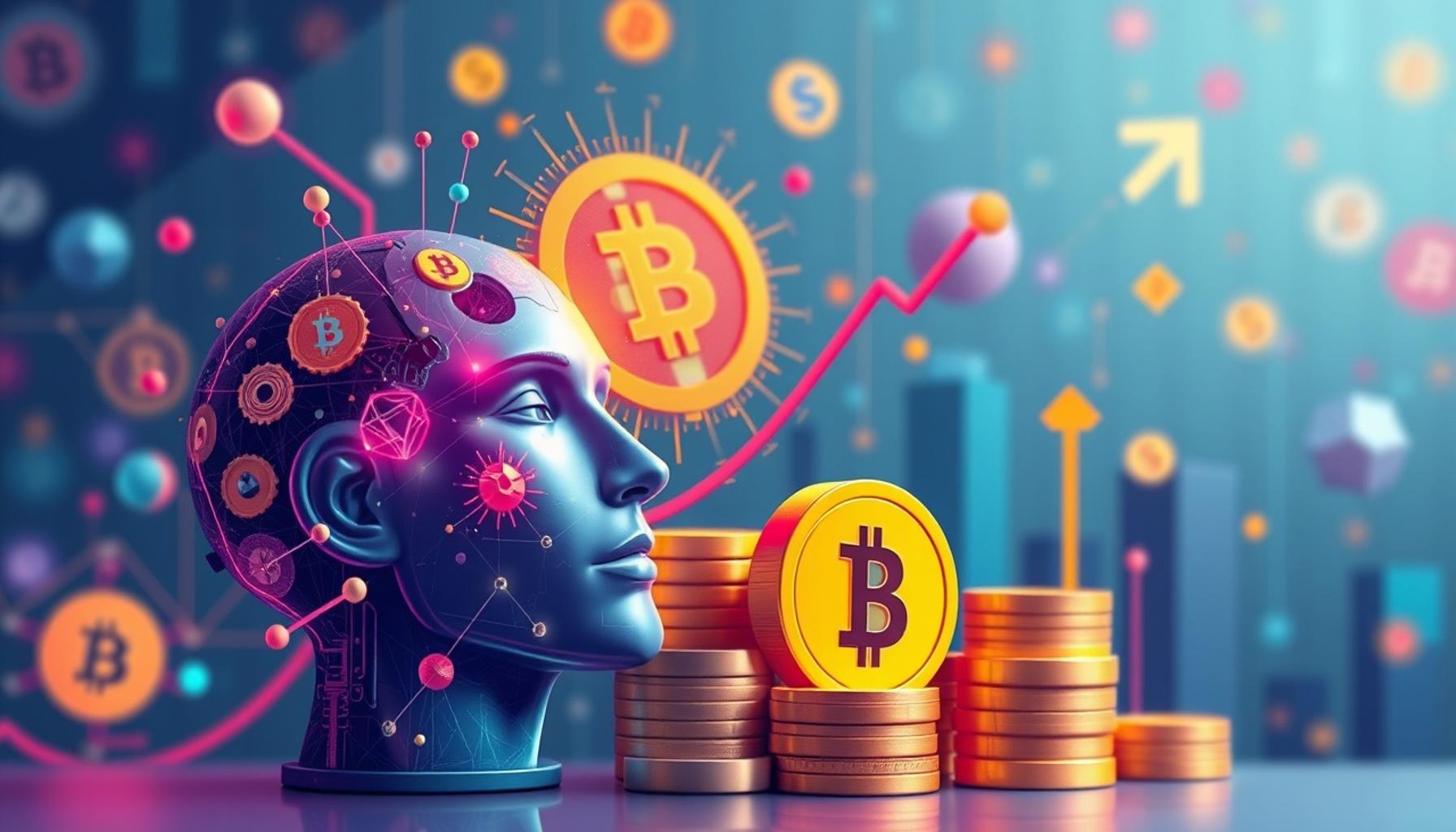
The arena of digital creativity has witnessed an extraordinary transformation thanks to the advent of Generative Artificial Intelligence (AI). This revolutionary technology not only streamlines the creative process but also fundamentally alters how creators approach their work. Unlike traditional computational methods that rely on pre-existing data for reproduction, generative AI is capable of producing entirely novel content. It challenges us to rethink the very essence of creativity by offering tools that allow for unprecedented artistic expression and innovation.
Key aspects of generative AI can be explored further to enhance our understanding of its capabilities and potential:
- Content Creation: Generative AI can craft a myriad of creative outputs—from intricate visual art pieces to original pieces of music and compelling narratives. For instance, well-known AI art generators like DALL-E and Midjourney enable artists to input specific prompts that trigger the creation of stunning images, combining styles and concepts that might never occur to a human artist. Additionally, AI programs like ChatGPT can assist writers by generating plots, character ideas, or even full-text drafts, thus encouraging new storytelling avenues.
- Personalization: In an era where audiences crave tailored experiences, generative AI excels at delivering customized content. For example, music streaming services like Spotify utilize AI algorithms to create personalized playlists, enhancing user engagement through individually curated musical experiences. This level of personalization not only boosts satisfaction but also fosters a sense of connection between the user and the platform.
- Efficiency: Time management is crucial for creators, and generative AI significantly enhances workflow efficiency. By automating routine tasks—such as photo editing or initial research—creators can devote more time to exploring innovative ideas and experiments. Tools like Canva have integrated AI features that help graphic designers quickly generate design elements, allowing for fast iterations and adjustments.
As we delve into the implications of generative AI on the creative industries, we see both vast opportunities and pressing challenges:
- Artists can leverage AI to collaborate on projects, exploring new styles and techniques that expand their artistic horizons. For example, a visual artist might use AI to generate a base image, which they can then modify and embellish, resulting in a unique fusion of human creativity and machine-generated insights.
- Writers, especially in content-heavy fields such as marketing or entertainment, can harness AI for story prompts, character development, and even dialogue creation. This efficiency not only boosts productivity but also helps overcome creative blocks.
- In the realm of digital marketing, AI plays a vital role in crafting personalized advertising campaigns. By analyzing user data, AI can generate ad content that resonates with target demographics, improving campaign effectiveness and driving higher engagement rates.
As generative AI continues to evolve, it is crucial for creators to stay informed about its potential applications and ethical implications. This technology holds great promise for fostering creativity in the digital age, offering exciting prospects while necessitating thoughtful consideration of its impact on the future of artistic expression.
DIVE DEEPER: Click here to learn how financial education can empower youth
Harnessing the Power of Generative AI in Creative Industries
As we explore the implications of generative AI on digital creativity, it becomes clear that this technology enhances not only the efficiency of creative processes but also transforms the nature of creativity itself. By providing new ways for artists, musicians, writers, and marketers to conceptualize and create, generative AI paves the way for innovative approaches to creative expression. Here, we will examine some of the primary ways in which generative AI impacts digital creativity across various sectors.
Enhanced Collaboration Between Humans and Machines
One of the most notable advantages of generative AI is its ability to act as a collaborative partner for creators. This collaboration can take many forms, leading to richer artistic outputs. For instance, an illustrator might utilize AI to generate a variety of background images based on certain style parameters, which they can then incorporate into their character designs. In this way, the machine provides creative suggestions that can spark new ideas and directions.
Moreover, this partnership extends beyond visual arts. In music production, AI tools can analyze vast libraries of songs and suggest chord progressions or melodies that align with the artist’s intentions. Musicians are finding that collaborative AI can lead to creative breakthroughs, expanding their musical vocabulary and allowing for experimentation with sounds that may not have been considered otherwise.
Redefining Content Creation
Generative AI is also redefining what it means to create content in the digital age. With the power to generate text, images, and even video, the creative possibilities are virtually limitless. Consider the world of video game development; AI can help generate entire game environments that adapt in real-time to player actions, leading to an immersive and dynamic experience. This not only saves time but also poses intriguing questions about the intersection of authorship and creativity.
Likewise, screenwriters can now utilize AI-driven tools to construct compelling narratives and character arcs based on identified trends and audience preferences. By tapping into data analytics and machine learning, writers are better equipped to understand what captivates viewers. This customization of storytelling powers a more engaging experience for audiences.
The Impact on Marketing and Branding
In the marketing sphere, generative AI takes on a crucial role in crafting personalized advertising campaigns. The ability for AI to analyze user behavior and preferences allows brands to create targeted content that resonates with specific demographics. This personalization is not only efficient but aligns with current consumer expectations for tailored experiences.
- High-Quality Content: Effective ad copy generated by AI can maintain brand voice while appealing to varying audience segments.
- Dynamic Adjustments: AI can quickly adapt marketing strategies based on real-time feedback, ensuring that campaigns remain relevant and effective.
- Creative Ideation: Marketers can use AI to brainstorm concepts for advertisements, exploring avenues that human marketers might not initially consider.
As generative AI continues to evolve, it is clear that its integration into the creative industries has far-reaching implications. The technology becomes a catalyst for innovation, dismantling traditional boundaries of creativity and inviting artists to explore new realms of expression.
DISCOVER MORE: Click here to learn how credit cards can shape your financial future
Transforming Traditional Art Forms
Generative AI is not merely a tool for enhancing existing creative processes; it is fundamentally transforming traditional art forms. Artists who once adhered strictly to classical techniques are now increasingly embracing AI as part of their methodology. This shift can be seen across various domains, from painting and sculpture to dance and literature. Generative AI injects a contemporary flair into established genres, inviting artists to innovate while remaining rooted in tradition.
Embracing New Mediums
Generative AI enables artists to explore mediums that were previously unimaginable. For instance, digital painters can use programs that create complex visual patterns automatically based on specific inputs or emotional cues. These tools allow artists to produce vast variations of their artwork with minimal input, thereby expanding their creative horizons. The art world is witnessing a confluence of technology and artistry that challenges the very definition of creativity.
In the realm of literature, authors are experimenting with AI as a co-writer. Literary applications can generate poetry, fiction, and even entire chapters based on stylistic preferences or thematic elements. This allows writers to push boundaries and explore alternative narrative pathways that they might not have considered independently. The result is a rich tapestry of literature that merges human thought with machine creativity.
AI in Music Composition
The music industry has also been profoundly influenced by generative AI. Music composition software now leverages AI to analyze structures of various genres, allowing artists to create more complex pieces. Some musicians use these technologies to remix tracks, using AI to identify and enhance melodies that resonate well with audiences. Such innovations give rise to hybrid musical forms, combining classical compositions with modern beats that resonate with younger generations.
Additionally, major music streaming platforms incorporate generative AI to create personalized playlists based on listening habits. This personalization not only enhances user experience but also reflects an evolving understanding of musical consumption, where listeners seek tailored musical encounters rather than one-size-fits-all playlists.
The Democratization of Creativity
One of the most profound impacts of generative AI is its role in democratizing creativity. Tools that were once available to only a select few are now accessible to the broader public. Individuals without formal training can generate visually stunning artwork or compose original music effortlessly, thanks to user-friendly AI platforms. This influx of accessible technology is ushering in a new era where anyone can express themselves through creative mediums.
- Widespread Accessibility: Platforms like DALL-E and Canva enable users with minimal artistic skills to create compelling graphics and content.
- Encouraging Experimentation: The low barrier for entry encourages more people to experiment, thereby enriching the artistic community with diverse perspectives and experiences.
- Activating Underrepresented Voices: Generative AI tools can amplify the creative expressions of marginalized groups, providing them with an outlet for storytelling and artistic expression that was previously limited.
The transformation of creative industries through generative AI signifies not just a shift in technology but a paradigm change in how creativity is perceived, experienced, and utilized. As we delve deeper into this evolving landscape, its potential implications on artistic expression remain both exciting and multifaceted.
DISCOVER MORE: Click here to learn about common pitfalls in financial education</a
Conclusion
The rise of generative artificial intelligence marks a pivotal moment in the realm of digital creativity. As we have explored, this technology not only enhances traditional art forms but also births new mediums and methods of expression that challenge our understanding of creativity itself. From enabling artists to experiment with unprecedented styles in painting and music to serving as co-creators in literature, generative AI fosters collaboration between human ingenuity and machine learning.
This powerful fusion has resulted in a democratization of creativity, allowing individuals from diverse backgrounds to engage in artistic endeavors that were once exclusive to trained professionals. Platforms like DALL-E and Canva have made it easier than ever for anyone to harness their creativity, promoting a culture where experimentation is encouraged and where underrepresented voices can finally share their stories. As we witness this unfolding narrative, it’s vital to consider both the opportunities and ethical implications introduced by AI in creative fields.
As we stand on the threshold of a new era, we must remain mindful of the balance between leveraging technology and preserving the essence of human creativity. Embracing generative AI should not overshadow the unique value of human experience and emotion that informs art. Moving forward, the integration of AI into creative practices will require thoughtful stewardship, ensuring that as we innovate, we enrich our cultural landscape and foster a vibrant community of creators. The future of digital creativity is exciting, and it promises to be a collaborative journey between the human spirit and artificial intelligence.

Linda Carter
Linda Carter is a writer and expert known for producing clear, engaging, and easy-to-understand content. With solid experience guiding people in achieving their goals, she shares valuable insights and practical guidance. Her mission is to support readers in making informed choices and achieving significant progress.