The Future of Media Platforms: Decentralization and Content Ownership
The Evolving Nature of Media Platforms
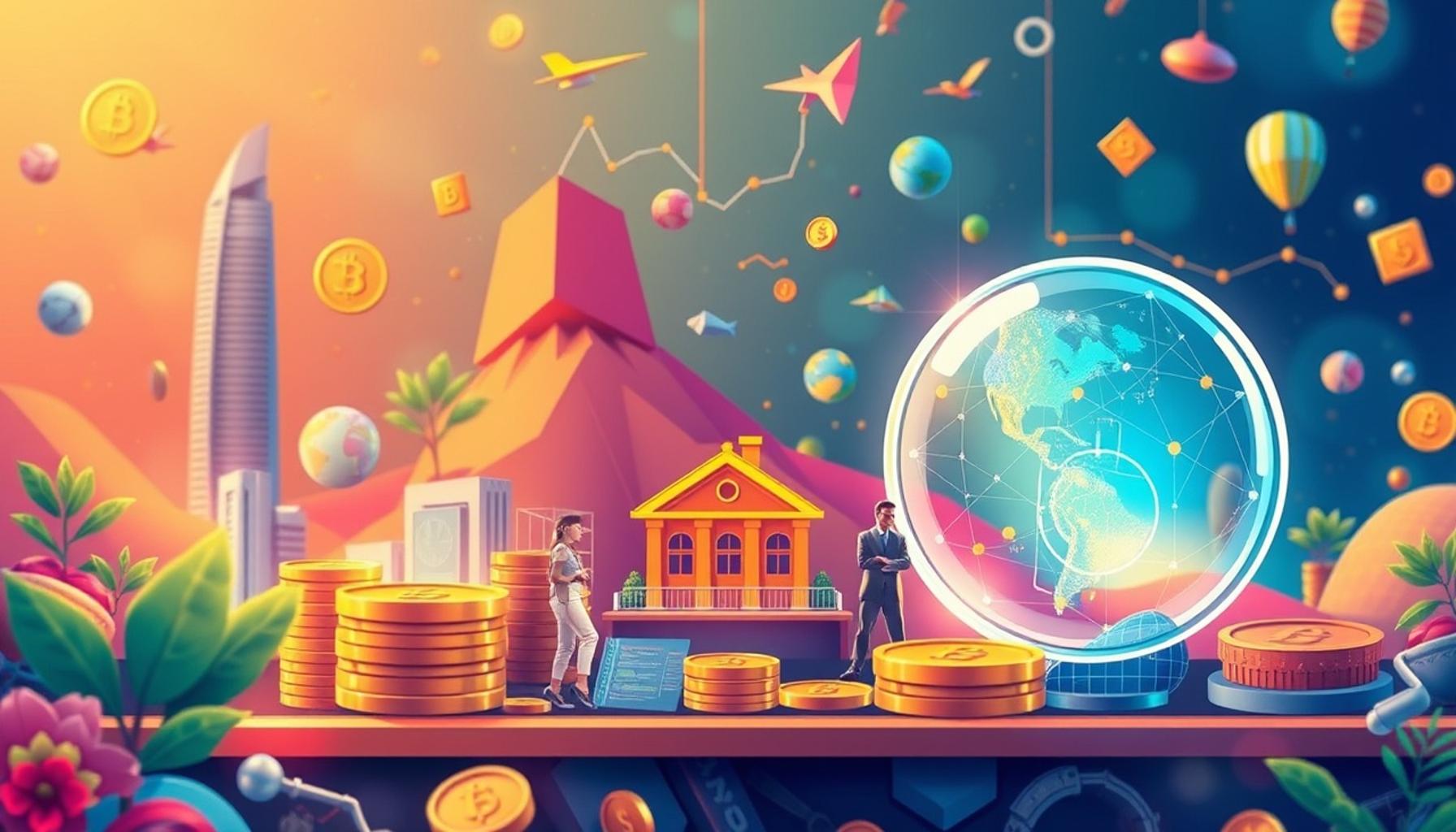
The landscape of media platforms is evolving rapidly. As technology advances, the shift towards decentralization and content ownership is becoming increasingly relevant. This transformation is driven by the desire for greater control and transparency in digital content distribution. In an era where digital media consumption is at an all-time high, it’s essential to understand these changes as they unfold.
Consumers and creators alike are beginning to recognize the benefits of decentralized media, which include:
- Enhanced privacy: Users can manage their data more securely, minimizing the risk of personal information being exploited. For example, blockchain technology allows individuals to own and control their data, sharing it selectively and securely, unlike traditional platforms that may sell user data for profit.
- Fairer compensation: Content creators can receive a larger share of profits. Think about independent musicians using platforms like Bandcamp, which allows artists to sell their music directly to fans, keeping a significant portion of the revenue compared to traditional record labels.
- Increased engagement: Communities can form around decentralized platforms. Platforms like Discord foster direct communication between creators and their audiences, creating a more engaged and loyal fanbase. This real-time interaction helps define community identity and ownership.
In contrast to centralized media, which has long held a monopoly on content distribution, decentralized platforms empower individuals to directly connect with their audiences. Traditional media often centralized their power, leading to issues like copyright disputes and revenue inequality. For instance, a major television network might dictate what content is available, leaving little room for diverse voices to be heard. However, with the rise of decentralized video platforms, like PeerTube, individuals can share content without reliance on a single corporation, democratizing media access.
This shift not only promotes creativity but also fosters a sense of ownership over content that was difficult to achieve in centralized systems. Creators can now establish personal brands that resonate with their audiences while bypassing intermediaries. Moreover, direct transactions between creators and viewers can lead to an environment where the quality of content rises, as creators are incentivized to genuinely engage with their audiences.
As we explore the future of media, it is crucial to understand the mechanisms behind these decentralized models and what they mean for both creators and consumers. By delving into this realm, we can uncover how it reshapes our interactions with media and illuminates the implications for a broader media ecosystem. The potential for innovation and inclusivity in decentralized platforms is just beginning to be realized, and there is much to anticipate as we navigate this ongoing transformation in the media landscape.
DIVE DEEPER: Click here to uncover the psychology of budgeting
Understanding Decentralization in Media
At the heart of the shift towards decentralized media platforms lies the concept of decentralization itself. Simply put, decentralization refers to the distribution of authority, control, and data away from a central entity or organization. In traditional media, power is concentrated in a few hands—broadcasting networks, major publishing houses, or social media giants dictate what content gets seen and shared. This creates several limitations, such as restrictions on content diversity and challenges for creators trying to make a sustainable living.
Decentralization changes the rules of the game. By utilizing technologies like blockchain and peer-to-peer networks, creators can distribute their content without being beholden to large corporations. Consider the example of Bitcoin: similar to how cryptocurrency allows for peer-to-peer transactions without the need for a bank, decentralized media platforms enable content creators to connect directly with their audiences. This empowers both parties, allowing creators to retain ownership over their work and consumers to enjoy a broader range of options.
The advantages of decentralized media extend beyond ownership; they include:
- Increased Accessibility: Decentralized platforms can operate without geographical limitations, enabling access to content from around the world. For instance, a filmmaker in Los Angeles can distribute their work to audiences in rural areas of the Midwest, providing opportunities that might not exist on traditional platforms.
- Resilience and Stability: Because decentralized platforms don’t rely on a single point of failure (like a corporate server), they are less vulnerable to issues like outages or censorship. This durability can ensure that valuable content remains accessible even in times of crisis.
- Community-Driven Norms: Many decentralized platforms allow communities to have a voice in governance, which can help shape the platform’s rules and ensure that diverse perspectives are included in decision-making processes.
As media consumption patterns shift, we see a growing appetite for content that resonates with intimate community values. Decentralized platforms allow independent creators to forge unique identities that speak directly to niche audiences. An independent podcaster, for example, can build a dedicated following by discussing topics often overlooked by mainstream media. This level of connection is harder to achieve within centralized systems, where algorithms often prioritize profitability over authenticity.
However, with the promise of decentralization also comes challenges. Issues such as fragmentation of audiences and the overwhelming number of options can make it difficult for creators to gain visibility. Moreover, maintaining quality control and fostering trust in decentralized ecosystems will be paramount as these platforms grow. The ongoing dialogue about transparency and accountability in decentralized models will affect how they function moving forward.
In conclusion, the evolution towards decentralized media platforms represents not just a technological shift, but a cultural one. As we continue to navigate this landscape, it is vital to engage with the principles of decentralization to understand its implications for content ownership and the media ecosystem as a whole. The way forward is not just about new platforms but also about redefining our relationship with the content and communities we consume and engage with.
DISCOVER MORE: Click here to learn how to teach financial skills to kids
The Role of Content Ownership in Decentralized Media
As media platforms embrace decentralization, the question of content ownership takes center stage. In traditional media landscapes, creators often relinquish their rights to content in exchange for exposure or financial backing. This reality has left many artists and writers feeling unsupported, as they watch corporations profit from their creativity. Decentralized media platforms reverse this trend by allowing creators to maintain ownership over their work while also facilitating direct monetization options.
For example, through platforms powered by blockchain technology, artists can tokenize their creations, turning their works into unique digital assets. These assets can be bought, sold, and traded in a peer-to-peer market, providing artists with financial independence. Think of it as a digital art gallery where artists can sell their pieces directly to collectors without requiring a gallery’s approval or taking a cut of the sale. This level of autonomy not only boosts creators’ income potential but also fosters a sense of community among supporters who contribute to the success of artists they believe in.
Empowering Creators and Audiences
Moreover, decentralized media encourages a more equitable revenue-sharing model. Traditional platforms often provide creators with meager compensation for their work. In contrast, decentralized networks enable creators to set their own prices, receive payment directly from consumers, and share revenue with other contributors based on a clearly defined agreement. For instance, musicians can distribute their songs through decentralized distribution channels that allow them to earn more per stream compared to traditional platforms, thus incentivizing quality creation and deeper connections with their listeners.
Another noteworthy aspect of decentralization is the potential for user-generated content to flourish. Users not only consume content but can also create and share their own, building a dynamic creative ecosystem. This democratization of content creation can lead to innovative formats, increased diversity, and a richer array of voices that reflect various cultural backgrounds. Consider platforms like TikTok, where everyday creators rise to prominence: decentralized media platforms can enhance this model by ensuring that creators get the credit and compensation they deserve for their contributions.
Navigating Challenges in Decentralized Ownership
However, the movement towards content ownership in decentralized media is not without its challenges. One significant issue is the burden of responsibility placed upon creators. As independent operators, they must navigate the legal complexities of copyright, licensing, and intellectual property protection without the guidance of a traditional media organization. This change requires an understanding of the legal landscape, which may be daunting for many creatives.
Additionally, the proliferation of content in decentralized environments can lead to questions about content verification and quality control. In an ecosystem where anyone can publish work, it’s crucial to develop systems that promote trustworthy content. Some decentralized platforms are already experimenting with community-driven ratings and verification models, where users can help identify credible sources and validate the quality of content being disseminated.
Finally, as these platforms gain traction, social norms regarding engagement and circulation may evolve. We may see a shift toward more respectful and responsible media consumption as creators and audiences alike recognize the value of original content and the ethical considerations surrounding it. Engaging in collective responsibility through decentralized platforms will likely reshape how we interact with the media and each other in the ever-evolving digital landscape.
DON’T MISS OUT: Click here to learn how to budget effectively
Conclusion
As we look ahead to the future of media platforms, it is clear that decentralization and content ownership will play pivotal roles in shaping an equitable and innovative landscape for creators and audiences alike. The shift towards decentralized platforms offers exciting prospects for individuals to reclaim ownership of their work, empowering them to monetize their creativity without unnecessary interference from traditional gatekeepers. This not only enhances their financial prospects but also fosters genuine connections between creators and their supporters.
Moreover, by allowing for a diverse range of voices and the flourishing of user-generated content, decentralized media platforms can enrich our cultural dialogues. This democratization of media creation signals a shift toward inclusivity, where emerging talents can find their audience without the constraints imposed by conventional media paradigms. However, this path is not without its challenges, including the legal complexities of content ownership and the need for robust systems to ensure content quality and verification.
Ultimately, the transition to decentralized media platforms will necessitate a new understanding of both content creation and consumption. As both creators and audiences become more aware of their responsibilities in this emerging ecosystem, we may witness a transformation in how media is produced, shared, and valued. In this evolving landscape, collective efforts to uphold the integrity and credibility of content will be fundamental to creating a vibrant and sustainable media future that nurtures creativity, fosters collaboration, and champions originality.

Linda Carter
Linda Carter is a writer and expert known for producing clear, engaging, and easy-to-understand content. With solid experience guiding people in achieving their goals, she shares valuable insights and practical guidance. Her mission is to support readers in making informed choices and achieving significant progress.