The Evolution of Augmented and Virtual Reality Technologies in Entertainment
Transformative Impact of AR and VR in Entertainment
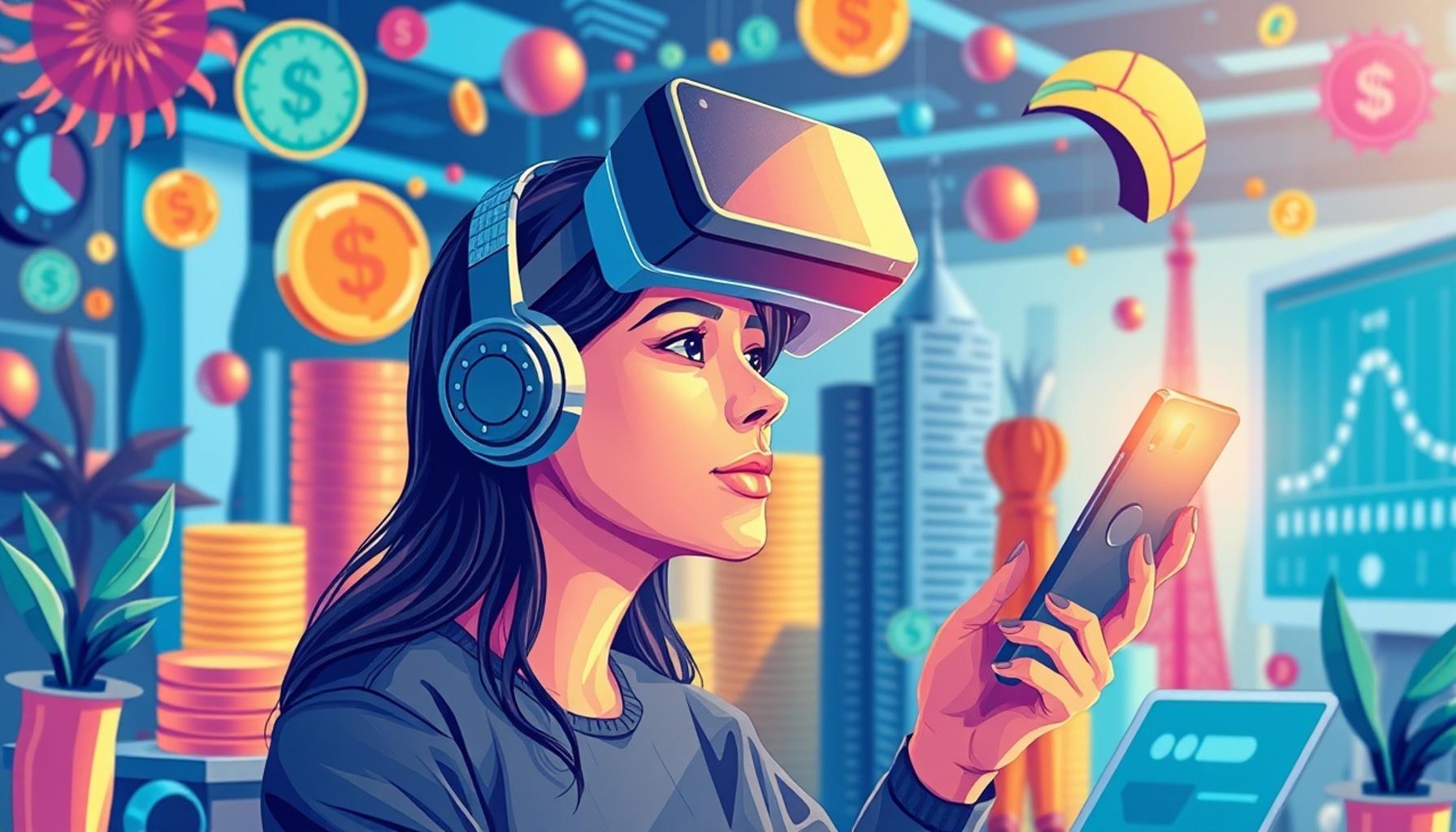
In the past decade, augmented reality (AR) and virtual reality (VR) have revolutionized the entertainment sector, fundamentally altering how audiences engage with content. These advanced technologies have opened up exciting avenues for storytelling, creating experiences that are not only more immersive but also interactive. By seamlessly blending digital elements with the physical world or crafting entirely virtual environments, AR and VR invite users to step into narratives, making them active participants in their entertainment experiences.
Innovative Developments in the Entertainment Industry
Among the most notable applications of AR and VR are:
- Video Games: Titles such as Beat Saber and Half-Life: Alyx exemplify how VR can deliver fully immersive gameplay. In Beat Saber, players physically swing lightsabers to the beat of music, effectively transforming a living room into a vibrant arena where movement and rhythm come together. Half-Life: Alyx, on the other hand, offers a gripping narrative that unfolds in a detailed, dystopian world. Players must solve puzzles and engage in combat, all while experiencing an unprecedented level of presence and detail that traditional gaming cannot offer.
- Movies: The rise of interactive films like Bandersnatch shows how AR and VR blur the lines between creators and viewers. In Bandersnatch, choices made by viewers at pivotal moments impact the direction of the story, encouraging multiple viewings to explore every narrative branch. This engagement turns passive watching into a participatory experience where the audience feels a sense of ownership over the storyline.
- Live Events: Virtual concerts and festivals are redefining the music experience. During the COVID-19 pandemic, many artists turned to virtual platforms to reach fans who could no longer attend live events. These online concerts allowed thousands of viewers from around the globe to gather and enjoy live performances in real-time, featuring interactive elements such as virtual meet-and-greets and behind-the-scenes access, which aren’t typically available during physical events.
These innovations signify a major shift in how entertainment is consumed and created. As AR and VR continue to advance, they not only enhance spectator experiences but also challenge creators to think outside conventional frameworks. This evolution encourages new storytelling techniques and enables diverse voice representation, ensuring that as the technology grows, so will the variety of experiences it can offer. The future of entertainment, powered by AR and VR, promises an exciting horizon filled with opportunities for creativity and connection.
DISCOVER MORE: Click here to dive deeper
The Pioneering Era of Immersive Technologies
The journey of augmented reality (AR) and virtual reality (VR) in entertainment began in the late 20th century, but it wasn’t until the advancements in technology in the 2010s that these innovations started to gain significant traction. Early forays into VR, such as the original Virtuality arcade machines and the experiments with head-mounted displays, laid the groundwork for what would become a dynamic industry. However, it was the arrival of more affordable solutions, like the Oculus Rift and HTC Vive, that truly marked a watershed moment.
As these technologies progressed, developers began exploring their potential in a broader range of entertainment sectors beyond gaming. In particular, AR found its place in the industry through applications that enhanced real-world experiences. Pokémon GO, released in 2016, is an exemplary case. Through AR, players could catch virtual creatures superimposed onto the real world, turning everyday parks and streets into vibrant playgrounds filled with adventure. This game not only showcased the possibilities of AR but also encouraged physical activity and social interaction among players.
VR continued to expand its horizons, with creators producing experiences that transcended conventional storytelling. For instance, VR documentaries and immersive theater experiences began to emerge, allowing audiences to step inside historical events or explore fictional universes from a first-person perspective. Documentaries like The 360° Experience gave viewers the chance to witness crises around the globe, fostering greater empathy and understanding by placing them right in the midst of the action.
Integration of AR and VR in Everyday Entertainment
The integration of AR and VR technologies into everyday entertainment continues to evolve, making these experiences more accessible and engaging. Key milestones in this development include:
- Social Media Enhancements: Platforms like Instagram and Snapchat have popularized AR through fun filters and effects that users can apply to their photos and videos. This not only entertains millions but also promotes creativity and personal expression.
- AR in Theme Parks: Major amusement parks, such as Disneyland and Universal Studios, have begun incorporating AR to enhance attractions. Rides equipped with AR elements provide visitors with a more immersive experience, often allowing them to interact with the environment in real-time.
- Fitness and Wellness: AR and VR technologies are now being utilized in fitness programs, with applications that make exercise feel like a game. Popular apps like FitXR combine physical workouts with virtual environments, encouraging users to stay active while having fun.
As AR and VR continue to gain momentum in the entertainment sphere, it is clear that their evolution is not just a trend but a transformative movement. This growth encourages new opportunities for creators and consumers alike, as they reimagine how stories are told and experienced. By merging technology with artistry, the future of entertainment is primed for greater innovation and enjoyment.
READ MORE: Click here to delve deeper
Transformative Experiences Through Gaming and Beyond
The gaming industry, one of the most enthusiastic adopters of AR and VR technologies, continues to push the boundaries of what’s possible. Titles such as Beat Saber and Half-Life: Alyx have not only captivated audiences but also set new standards for immersive gameplay. The success of these games demonstrates that VR can create environments that engage players on multiple sensory levels, making them feel as if they are truly part of the game world. This level of immersion is paving the way for more realistic interaction, compelling storytelling, and user-generated content within gaming.
Furthermore, the rising popularity of multiplayer experiences in VR is helping to build communities around gaming. Titles like Rec Room and VRChat allow players to socialize, create, and explore together in virtual spaces. The shared experiences not only enhance the entertainment value but also foster friendships and collaborative gameplay across geographical boundaries, illustrating that VR is more than just a solitary endeavor—it brings people together in new and exciting ways.
Augmented Reality in Everyday Life
The role of AR extends beyond gamified experiences; it has started to influence other forms of entertainment in intriguing ways. For instance, AR applications in live sports have enhanced the viewing experience for fans, allowing them to access real-time statistics, player information, and interactive graphics right from their seats or through their screens. Platforms like ESPN have integrated AR elements into their broadcasts, enriching the experience by offering insights that deepens fans’ understanding of the game.
Furthermore, AR has found its way into the world of film and television as well. Projects like The Walking Dead: Our World and Ghostbusters World have showcased the potential of integrating beloved franchises into AR applications, offering fans a chance to explore their favorite universes through interactive gameplay. Such innovations not only create unique promotional opportunities but also allow audiences to engage with content in a way that traditional media cannot replicate.
Expanding Accessibility and Affordability
As AR and VR technologies continue to evolve, their accessibility has significantly improved. Companies are working on making hardware more affordable and user-friendly, opening the doors for broader audiences. Mobile VR headsets such as the Oculus Quest 2 have eliminated the need for high-end gaming PCs, allowing anyone with a smartphone to experience immersive environments. In addition, AR technology is increasingly available on everyday devices, such as smartphones and tablets, making it possible for anyone with a compatible device to engage with augmented experiences instantly.
The educational sector has also begun to tap into the potential of these technologies. Educational programs using AR can take students on virtual field trips or interactive lessons that capture their interest and enhance understanding. For example, applications that overlay historical facts onto landmarks can help learners connect with history in an engaging way, transforming traditional learning into interactive explorations.
The growth of AR and VR technologies in entertainment is firmly establishing itself as a foundational evolution in how we experience stories and engage with content. As we observe these developments unfold, the transformative possibilities are not only reshaping gaming and media but are also redefining our daily interactions and learning processes, proving that the potential for innovation is boundless.
DISCOVER MORE: Click here to dive deeper
Future Horizons of AR and VR in Entertainment
In conclusion, the evolution of augmented and virtual reality technologies is fundamentally transforming the landscape of entertainment, creating experiences that are richer, more engaging, and increasingly accessible. From the immersive worlds crafted in gaming to the interactive enhancements in live sports and films, AR and VR are reshaping how audiences connect with content and each other.
The innovations we have witnessed thus far herald an exciting future where storytelling transcends traditional boundaries. As these technologies continue to develop, we can anticipate even greater integration into our everyday lives, from interactive educational tools in classrooms to new forms of social engagement that bridge physical distance. The drive toward making hardware more affordable and user-friendly is pivotal in ensuring that the magic of AR and VR reaches a broader audience, thus democratizing access to these remarkable experiences.
Moreover, the ongoing exploration of user-generated content and community-driven platforms signals a shift toward a more participatory entertainment culture, where audiences are not just passive viewers but active creators. As we embrace these advancements, it is vital to remain mindful of the implications they carry, including ethical concerns about immersion, privacy, and digital well-being.
Ultimately, the journey of AR and VR is just beginning, and as we stand at this intersection of technology and entertainment, the possibilities are boundless. The innovations we create and the experiences we share today will likely dictate how we engage with our world tomorrow, leading us to an enriching future filled with possibilities beyond imagination.

Linda Carter
Linda Carter is a writer and expert known for producing clear, engaging, and easy-to-understand content. With solid experience guiding people in achieving their goals, she shares valuable insights and practical guidance. Her mission is to support readers in making informed choices and achieving significant progress.