Interactive Media: How Streaming is Redefining Entertainment Consumption
Understanding the Shift in Entertainment Consumption
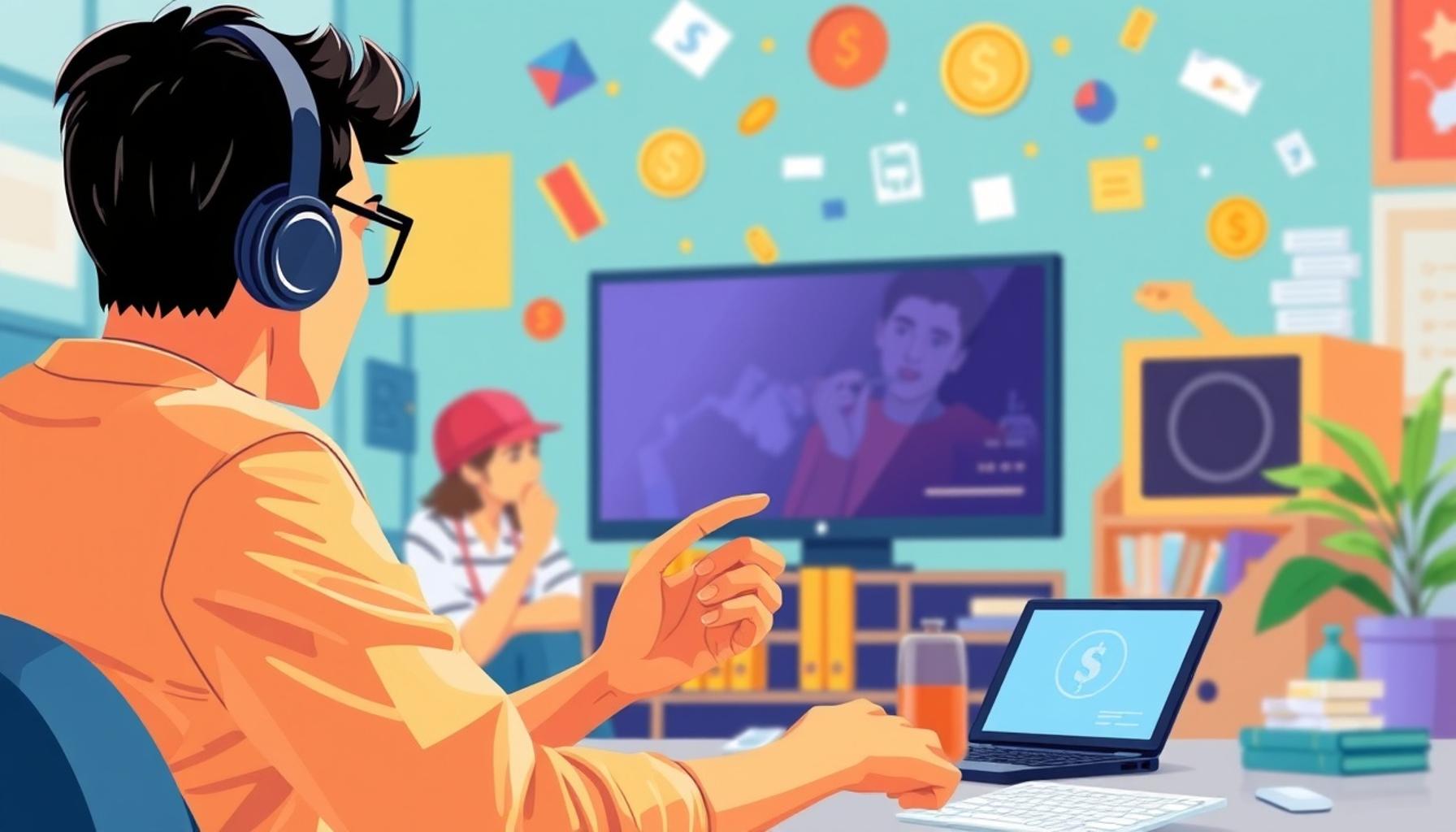
The landscape of entertainment has shifted dramatically, evolving from traditional cable TV and movie theaters to a world dominated by streaming services. This transformation has not only changed how we access content but also how we interact with it. Consumers have moved from a passive role to an active decision-making process in their viewing experiences. This change underscores a broader societal trend toward instant gratification and personalization.
Streaming services like Netflix, Hulu, and Disney+ have made significant strides in enhancing user satisfaction by offering numerous features that address contemporary viewing demands:
- On-Demand Access: Traditional television schedules have been rendered obsolete. With just a few clicks, viewers can select from thousands of shows and movies, watching them at their convenience. For example, the ability to binge-watch an entire season of a popular show like “Stranger Things” allows viewers to engage fully without waiting for weekly episodes.
- Exclusive Content: Platforms are increasingly producing their own original programming to attract subscribers. Shows like “The Mandalorian” on Disney+ or “The Crown” on Netflix are prime examples of how exclusive content can drive viewership. Not only does this build brand loyalty, but it also creates a sense of community among fans who eagerly anticipate each new release.
- Interactivity: Some services take viewer engagement to the next level by incorporating interactive elements. Netflix’s “Bandersnatch,” part of the Black Mirror anthology, allowed viewers to make choices that affected the storyline, demonstrating the growing trend of participatory entertainment.
The shift toward streaming is not merely a technological advancement; it reflects evolving consumer desires for control and personalization. Today’s viewers crave tailored experiences—everything from algorithm-driven recommendations based on previous viewing habits to customizable profiles that allow different family members to maintain their own watchlists and preferences.
This transformation in viewing habits is prevalent across diverse demographic groups. For instance, teenagers are often seen engrossed in the latest trending shows on platforms like TikTok or YouTube, while families enjoy virtual movie nights streamed directly onto their home TVs. This inclusivity highlights how streaming services cater to various age groups and interests, making entertainment more accessible than ever.
As we further analyze this dynamic landscape, it becomes clear that the rise of streaming has profound implications that extend beyond viewer habits. The entire entertainment industry is adapting to these changes, prompting filmmakers, advertisers, and even traditional networks to rethink their strategies to survive and thrive in an increasingly competitive market. The interplay between technology and consumer preferences continues to evolve, shaping the future of how we experience entertainment.
DISCOVER MORE: Click here to learn about innovative financing in peer-to-peer lending
Redefining Viewer Engagement
With the rise of streaming platforms, entertainment consumption is undergoing a significant transformation that prioritizes viewer engagement and interactivity. Unlike traditional media, where audiences were often passive recipients of content, streaming services are fostering a more interactive environment that allows users to take an active role in their viewing experience.
One of the most notable advancements in this area is the concept of personalization. Streaming platforms utilize sophisticated algorithms to analyze users’ viewing habits, recommending shows and movies based on individual preferences. This personalized approach not only enhances user satisfaction but also encourages viewers to explore content they might not have considered otherwise. For example, if a viewer frequently watches crime dramas, platforms might suggest similar series, broadening their horizons while keeping them engaged.
Moreover, the ability to create custom profiles on streaming services further enhances personalization. Family members can maintain separate viewing histories and recommendations, ensuring that everyone has a tailored experience. This capability is particularly beneficial in today’s diverse households, where different tastes in entertainment can vary dramatically. As a result, streaming services cater to all demographics, from children enjoying animated films to adults indulging in documentaries or thrillers.
Interactivity extends beyond simple personalization. Some platforms are now exploring immersive formats that allow viewers to influence the narrative of a show. Netflix’s “Bandersnatch” exemplifies this trend, combining elements of traditional storytelling with video game-like decision-making. Viewers are given choices that affect the direction of the plot, creating a unique viewing experience each time. This type of content not only captivates the audience but also encourages repeat viewings as users may want to explore different story paths.
- Interactive Storytelling: Viewers engage directly with the storyline, making choices that determine character outcomes and plot twists. This new form of narrative can heighten emotional investment and create a more memorable experience.
- Live Viewing Options: Certain platforms offer live events, such as concerts or interactive watch parties, where viewers can comment and engage in real-time. This communal approach replicates the social aspect of traditional media while providing the convenience of streaming.
- Gamification: Some services are introducing game-like elements, such as quizzes or challenges related to the shows being watched. These features enhance viewer interaction and encourage social sharing, blending entertainment with engagement.
As streaming services innovate and integrate these interactive features, they not only meet the evolving demands of consumers but also set new industry standards. Traditional networks are taking note, prompting shifts in their programming strategies to include more engaging and personalized content. The ongoing evolution of streaming reflects a broader cultural shift toward interactivity and customization, fundamentally redefining how audiences consume entertainment.
EXPLORE MORE: Click here to start your financial journey
The Rise of Community and Shared Experiences
Another significant impact of streaming services is the emergence of community-driven content consumption. The digital space has enabled viewers to connect with people across the globe who share their interests, thus creating a sense of belonging that was often missing in traditional media. Through online forums, social media, and live chats, viewers can discuss episodes, share fan theories, and build connections, enhancing their overall experience.
For instance, platforms like Twitch have transformed video streaming into a communal activity, where gamers not only play but also interact with their audience in real-time. Viewers can participate in discussions, react to gameplay, and even influence outcomes through donations and votes, bridging the gap between content creators and their audience. This model has extended beyond gaming to include watch parties for shows and movies, allowing viewers to experience film and television together while providing a forum for real-time commentary and reactions.
Furthermore, streaming services are leveraging viral trends and social media to cultivate buzz around their content. Platforms like TikTok and Instagram serve as promotional tools, where users share clips, memes, and reactions that spark interest and discussion. A striking example is the Netflix series “Stranger Things,” where short video clips and fan-generated content have amplified viewer engagement, encouraging more people to tune in. This interplay between streaming content and social media interaction creates a feedback loop that drives viewership and expands reach.
Fostering Diverse Content Creation
The streaming model has also democratized content creation, facilitating a broader range of diverse narratives and perspectives in the industry. Many platforms are now dedicated to promoting underrepresented voices, giving them the opportunity to tell their stories. For example, Hulu’s goal to provide a wide variety of programming has led to the commissioning of shows that focus on different cultural backgrounds or social issues, enhancing the richness of content available to viewers.
This change is not only beneficial for marginalized groups but also resonates with audiences who crave fresh and authentic narratives. In the past, traditional networks often stuck to formulaic programming due to commercial constraints. However, streaming allows creators the freedom to experiment with genres and stories that reflect the vast tapestry of human experiences. Shows like “Pose” and “Master of None,” which center on the LGBTQ+ community and the immigrant experience respectively, have found a substantial audience, paving the way for more inclusive storytelling.
- Diverse Programming: The rise of original content has led to an explosion of programming targeted at niche audiences, allowing for varied storytelling that resonates with viewers across different backgrounds.
- Global Reach: Content from various countries can now be streamed worldwide, which broadens the cultural horizon of viewers. Popular series from South Korea, Spain, and India, for example, have found dedicated fanbases in the United States, thanks to streaming services.
- Fan Involvement: Viewers are now encouraged to actively participate in the creative process. Some platforms invite fans to contribute ideas, vote on new series, or even engage in fan fiction, which fosters a collaborative relationship between creators and their audience.
In this landscape, the traditional barriers of entry in the entertainment industry have diminished. As creativity flourishes and communities grow, viewers are invited to explore an artistry that is multi-faceted, challenging the very definition of entertainment consumption.
DIVE DEEPER: Click here to learn more about budgeting options
Conclusion
In conclusion, streaming services have revolutionized the way we consume entertainment, enabling a dynamic and interactive landscape that fosters community, creativity, and diversity. By facilitating community-driven content consumption, platforms have transformed passive viewing into an engaging experience where audiences can connect and share their thoughts in real-time. This shift not only enhances viewer enjoyment but also cultivates a sense of belonging among fans who resonate with shared interests.
The democratization of content creation has also played a pivotal role in reshaping entertainment. With the rise of diverse narratives, underrepresented voices are now being amplified, leading to richer storytelling that reflects a broader spectrum of human experiences. This new paradigm allows for innovative programming that was previously constrained by traditional media’s commercial limits.
As we look toward the future, it is essential to recognize that the landscape of entertainment will continue to evolve, influenced by ongoing trends in technology and social interaction. The interplay between streaming platforms, social media dynamics, and audience involvement signals a promising era of entertainment where viewers are more than just passive consumers; they are active participants in the creative process. This shift invites us to embrace the multitude of stories and experiences that streaming can offer, ensuring that entertainment is not only consumed but celebrated together, enriching our cultural fabric in the process.

Linda Carter
Linda Carter is a writer and expert known for producing clear, engaging, and easy-to-understand content. With solid experience guiding people in achieving their goals, she shares valuable insights and practical guidance. Her mission is to support readers in making informed choices and achieving significant progress.