Menu

Digital Banks: The Revolution of Credit and Financial Inclusion

Digital banks are transforming personal finance by enhancing accessibility and efficiency. With features like lower fees and 24/7 account access, they promote financial inclusion for underserved communities. By leveraging technology, digital banks revolutionize credit access, empower users with financial education, and challenge traditional banking barriers, creating a more equitable financial ecosystem.

How to Create an Effective Family Budget: Practical Tips for Day-to-Day

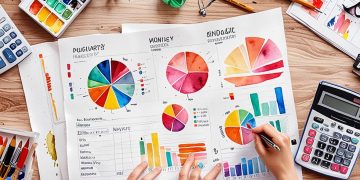
Creating an effective family budget empowers financial decision-making and stress reduction. This guide provides essential steps for assessing income, tracking expenses, and setting goals. Practical tips enhance the budgeting process, promoting family collaboration and financial stability, ensuring a secure future while enjoying life's experiences.

Innovations in Financing: The Growth of Peer-to-Peer Lending in the USA

Peer-to-peer (P2P) lending has transformed the financing landscape in the USA, connecting borrowers directly with individual lenders through online platforms. This model offers lower interest rates, greater accessibility, and a streamlined process for loans, while investors benefit from attractive returns and diversification, ensuring a mutually beneficial financial ecosystem.

Investing in Knowledge: Books and Online Resources to Enhance Your Financial Education

Financial education is vital for making informed decisions and achieving financial independence. A variety of resources, including impactful books, online courses, podcasts, and financial apps, can enhance your understanding of personal finance. Investing in these knowledge tools empowers individuals to manage their finances effectively and secure their future.

Sustainable Investments: How Financial Education Can Guide Conscious and Ethical Decisions

As demand for ethical practices rises, financial education plays a crucial role in guiding sustainable investments. By equipping individuals with knowledge on environmental, social, and governance factors, investors can make informed, conscious choices that align with their values and contribute to a more equitable and sustainable future.

Economic Strategies for Young Adults: How to Start Building a Solid Financial Future

This article offers essential economic strategies for young adults to build a solid financial future. It emphasizes budgeting, saving for emergencies, investing wisely, and managing credit effectively, all while highlighting the importance of financial education. With these tools, young adults can achieve long-term financial stability and confidence.

The Importance of Financial Education in Schools: Preparing the Generation of the Future

Financial education in schools is vital for empowering future generations. It equips young adults with essential skills in budgeting, saving, investing, and navigating debt. By fostering financial literacy, students become better prepared for real-world challenges, enhancing their decision-making abilities and promoting long-term financial stability and independence.

Strategies to Adjust Your Budget in Times of Economic Crisis

In times of economic crisis, adjusting your budget is crucial for financial stability. Key strategies include reassessing priorities, trimming unnecessary costs, building an emergency fund, exploring additional income streams, and utilizing community resources. Embracing these practical budgeting techniques empowers you to navigate financial challenges effectively and build lasting resilience.

The Most Common Mistakes When Budgeting and How to Avoid Them

Effective budgeting requires awareness of common mistakes like underestimating expenses, neglecting savings, and setting unrealistic goals. Regularly reviewing your budget and utilizing budgeting tools can enhance financial management. By recognizing pitfalls and implementing strategies, you can avoid budgeting missteps and achieve financial stability.

How to Create a Personal Budget: Step-by-Step Guide for Beginners

Learn the essentials of budgeting with this beginner's guide. Discover the importance of tracking income, categorizing expenses, and setting SMART financial goals. Gain insights on effective budgeting methods like the 50/30/20 rule and harness tools to enhance financial management for a more secure future.