The Evolution of Content Consumption: From Linear TV to Streaming and Podcasts
The Evolution of Content Consumption
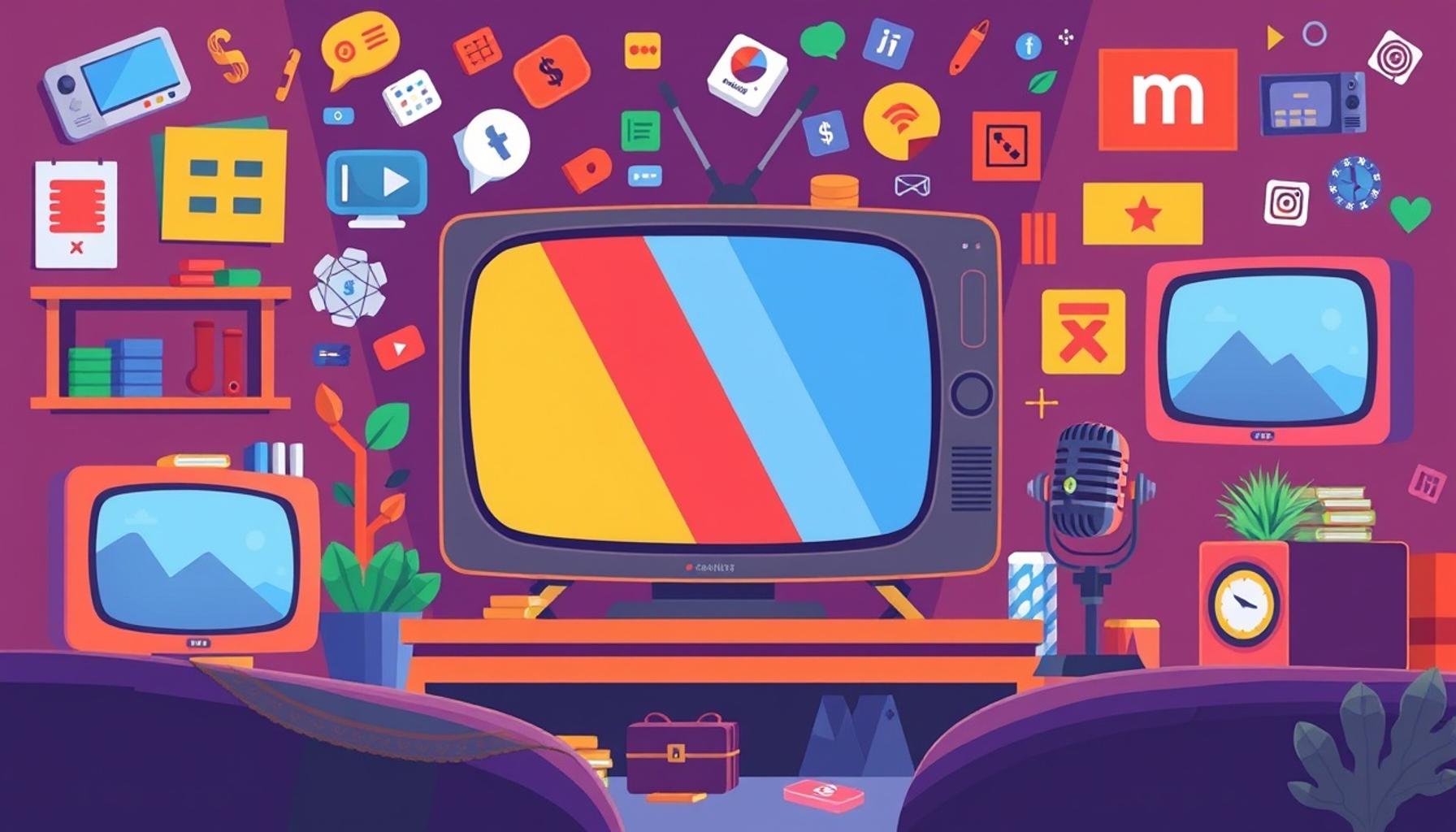
The way we consume media has transformed significantly over recent decades. With rapid technological advancements, audiences are no longer confined to traditional media formats. Instead, they now have access to a multitude of channels that cater to diverse preferences and lifestyles. This transformation not only reflects changes in technology but also mirrors our evolving cultural landscape.
Key milestones in this evolution highlight the shifts in how content is delivered and consumed:
- Linear TV: This traditional format structured around scheduled programming requires viewers to adhere to a preset timetable. Classic networks like ABC, NBC, and CBS dominated the airwaves, offering popular shows that brought families together at specific times. However, this model often meant frustrating interruptions from commercials and limited choice.
- Streaming Services: Platforms such as Netflix, Hulu, and Amazon Prime Video revolutionized content consumption, allowing viewers to select what they want to watch on their terms. With entire seasons of shows available at once, binge-watching became a popular phenomenon, fundamentally changing how audiences engage with narratives.
- Podcasts: This increasingly popular medium has allowed for the exploration of niche topics not typically covered by traditional media. Platforms like Spotify and Apple Podcasts provide users with a rich variety of discussions—ranging from true crime to personal finance—making it easier for anyone to dive deep into subjects they are passionate about.
With the rise of these innovative formats, modern audiences now enjoy several critical benefits:
- On-Demand Access: Today’s consumers crave content that is available whenever and wherever they are. Whether it’s watching a movie during a commute or listening to a podcast while at the gym, flexibility is a cornerstone of modern media consumption.
- Diverse Selection: With an abundance of genres—from documentaries to reality shows—there’s something for everyone. Services like Netflix often produce original content catering to various demographics, such as the acclaimed series “Stranger Things,” which appeals to both nostalgic adults and younger viewers alike.
- Personalized Experiences: Algorithms analyze users’ viewing habits to recommend new shows or movies tailored to individual preferences. This personalization has enhanced user engagement; a recommendation feature on an app may encourage viewers to explore content they might not have otherwise considered.
This article will delve deeper into how these advancements are reshaping our media consumption habits and how they have influenced our expectations of what content should deliver. By examining our journey from linear television to the current landscape filled with interactive and personalized media, we can gain a greater appreciation for the way we experience and interact with content today.
DISCOVER MORE: Click here to learn how to apply
The Changing Landscape of Television
To understand the evolution of content consumption, we must first examine linear television, which was once the cornerstone of home entertainment. Before the advent of streaming services, families would gather around their sets to watch their favorite shows, often at predetermined times. Shows like “Friends” and events such as the Super Bowl brought communities together, creating collective viewing experiences. However, this model came with limitations such as fixed schedules and a barrage of advertisements, resulting in less control for audiences.
As viewer habits began to shift, the demand for flexibility and choice grew. This change marked the emergence of streaming services like Netflix in the late 2000s. By offering a vast library of content available on-demand, these platforms revolutionized how we engage with media. No longer were viewers at the mercy of programming schedules; instead, they could watch an entire season of a show in one sitting, paving the way for binge-watching culture. According to studies, nearly 70% of viewers engage in binge-watching, demonstrating the profound impact of this shift on our viewing habits.
The appeal of streaming platforms can be boiled down to a few key features that have fundamentally changed the media landscape:
- Accessibility: With streaming services, content can be accessed on various devices—whether it’s a smart TV, tablet, or smartphone—allowing viewers to watch their favorite shows while commuting, traveling, or relaxing at home.
- Variety: Gone are the days of limited programming. Streaming services boast countless options, catering to every taste, from crime dramas to rom-coms and documentaries. For example, platforms like Hulu have expanded their offerings to include not just TV series but also movies, live sports, and even cooking shows.
- Original Content: Streaming platforms are no longer just content distributors; they have transformed into content creators, producing critically acclaimed shows like “The Crown” and “The Mandalorian.” This original programming not only attracts new subscribers but also boosts competition among traditional networks.
With the trajectory set by streaming services, the media consumption experience continued to evolve toward even more personalized formats such as podcasts. Podcasts have emerged as a significant trend, offering listeners intimate access to conversations on a wide range of subjects, from deep dives into historical events to casual discussions about everyday life. This format appeals to audiences increasingly seeking content that reflects their unique interests and fits seamlessly into their day-to-day activities.
As we analyze the transition from linear TV to streaming and podcasts, it becomes evident that this evolution represents more than just technological progress. It highlights an ongoing change in cultural consumption, showcasing how audiences now prioritize customization, convenience, and engagement in their media experiences.
DON’T MISS OUT: Click here to simplify your budgeting
The Rise of Podcasts and Audio Content
As our media consumption continues to evolve, audio content has taken center stage, with podcasts leading the charge. The format has gained remarkable popularity over the last decade, emerging as a preferred method for consuming information and storytelling on-the-go. Podcasts are incredibly versatile, with millions of episodes available on diverse topics, from true crime to politics, health, and personal development. This proliferation of content has made podcasts a significant player in the broader media landscape.
The reason for the rise of podcasts can be attributed to several factors:
- Hands-Free Engagement: Unlike traditional forms of media that require visual attention, podcasts allow listeners to multitask. Whether driving to work, exercising, or doing household chores, people can absorb information and entertainment without distraction. This hands-free engagement has made podcasts particularly appealing for busy individuals who still want to stay informed or entertained.
- Intimacy and Authenticity: The audio format creates a sense of intimacy between the host and the audience. Listeners often feel a personal connection to the hosts as they share stories and insights. This relatable approach has contributed to the success of many podcast personalities, where authenticity resonates more than polished production. For instance, shows such as “How I Built This,” hosted by Guy Raz, attract listeners eager to hear the genuine experiences behind successful companies.
- Diverse Revenue Models: The podcast industry has become an attractive arena for advertisers and brands due to its ability to reach niche audiences. Many podcasts include sponsored segments, allowing businesses to promote their products in a more personalized manner. This has sparked a growth in revenue for both creators and platforms, fostering a robust ecosystem for podcasting.
Moreover, the accessibility of podcasts has further solidified their position in today’s media landscape. Platforms like Spotify, Apple Podcasts, and Google Podcasts have simplified the process of discovering and consuming podcasts. With user-friendly interfaces and tailored recommendations based on listening habits, these platforms have democratized access to audio content.
The rise of podcasts also reflects a shift in cultural behavior towards audio consumption. As more Americans integrate podcasts into their daily routines, the statistics reveal this trend’s broad implications. According to the Pew Research Center, about 41% of Americans 12 and older have listened to a podcast in the past year, with a significant portion tuning in regularly. This indicates a shift away from passive consumption of video content to more interactive and engaging forms of media.
In addition to mainstream topics, podcasts allow for the exploration of niche interests that traditional media often overlooks. There are shows dedicated to everything from obscure historical events to specialized hobbies, reflecting the diverse interests of modern audiences. This has created communities around shared passions, where listeners can engage not only with the content but also with each other.
As we continue to observe the dynamic changes in content consumption, it is evident that podcasts have carved their niche in a world increasingly hungry for personalized and on-demand audio experiences. The combination of convenience, relatability, and variety ensures that podcasts are not just a passing trend but a fundamental aspect of how we consume content today and into the future.
DISCOVER MORE: Click here to learn about the importance of financial education
Conclusion
The journey of content consumption has transformed dramatically over the past few decades, evolving from the era of linear television to the realm of streaming services and immersive audio experiences like podcasts. This evolution highlights not only advancements in technology but also changing viewer preferences and lifestyles. As we have seen, streaming platforms have revolutionized how we consume video content, allowing for binge-watching, on-demand access, and personalized recommendations that cater to individual tastes.
On the other hand, the rise of podcasts represents a significant shift towards a more interactive and engaging audio format. With their versatility and accessibility, podcasts have become a primary source of entertainment and information for millions, enabling listeners to consume content while multitasking. This trend reflects a broader cultural change where convenience and authenticity take precedence over traditional media formats.
Looking forward, it is clear that the landscape of content consumption will continue to evolve. As technology advances, new formats and platforms will likely emerge, further shaping how we engage with stories and information. For content creators, this presents an exciting opportunity to innovate and connect with audiences in meaningful ways. Ultimately, the future of content consumption will be defined by our need for personalization, accessibility, and genuine connection, ushering in a new era of media that resonates with the diverse interests and lifestyles of modern society.

Linda Carter
Linda Carter is a writer and expert known for producing clear, engaging, and easy-to-understand content. With solid experience guiding people in achieving their goals, she shares valuable insights and practical guidance. Her mission is to support readers in making informed choices and achieving significant progress.