Unveiling Sustainable Credit: The Future of Ethical Lending in the USA
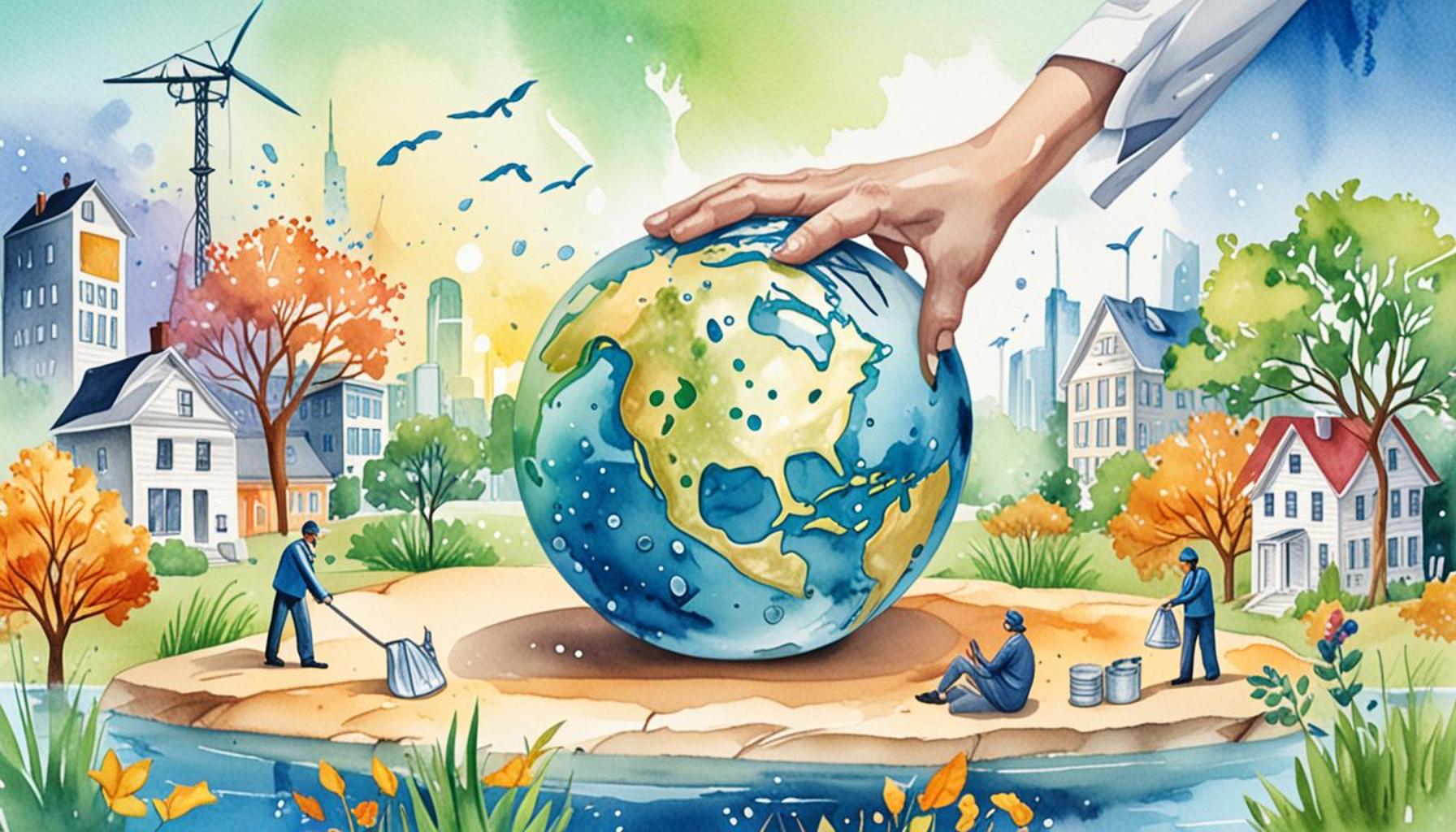
The Rise of Sustainable Credit in Lending Practices
In recent years, the landscape of lending in the United States has seen a remarkable transformation driven by the increasing demand for ethical financing options. As individuals and businesses alike become more conscious of their social and environmental impact, sustainable credit has begun to take center stage. This type of lending focuses on responsible and impactful practices, not just profit margins. Consumers and lenders are now seeking financial products that contribute positively to society and the environment, marking a significant shift in consumer behavior and expectations.
Key Features of Sustainable Credit
The essence of sustainable credit lies in several core features that distinguish it from traditional lending practices. For instance,
- Environmental Benefits: Loans that are specifically allocated for green projects like renewable energy installations (solar or wind) or for businesses that adopt sustainable practices, such as organic farming, are prime examples of how financing can improve our planet. This not only helps businesses grow but also encourages investment in technologies that combat climate change.
- Social Equity: Sustainable credit often involves initiatives that focus on supporting underserved communities. This includes loans designed to help minority-owned businesses or funding for affordable housing projects, ensuring that financial access is broadened and equity is prioritized.
- Transparent Processes: Clear frameworks and open communication are essential in sustainable credit. Lenders who provide detailed criteria for loans foster trust and allow borrowers to understand exactly what they are getting into, eliminating hidden fees and conditions that can lead to negative outcomes.
Implications of Sustainable Credit
The integration of sustainable credit into mainstream lending holds profound implications for society at large. For example,
- Financial Inclusion: By prioritizing loans for marginalized groups, sustainable credit works to broadening access to essential financial services. This inclusion has the potential to alleviate poverty and create economic opportunities in communities that have historically faced barriers to credit.
- Community Investment: Loans directed toward local projects, such as community centers or small business start-ups, are vital for improving local economies. Such investments not only create jobs but also help restore fruitfulness and resilience within communities.
- Consumer Consciousness: Sustainable credit promotes responsible borrowing among individuals. As consumers become more aware of the implications of their financial choices, they are encouraged to consider the broader impacts of their spending and investing habits, fostering a culture of mindfulness and care.
Through this examination, it becomes clear that sustainable credit is not merely a trend but a fundamental shift in the future of lending in the USA. By aligning financial practices with ethical values, both consumers and lenders stand to benefit, paving the way for a more responsible and inclusive financial ecosystem. Educating oneself on the principles of sustainable credit can empower consumers to make informed financial decisions that align with their values while promoting a positive impact on society and the environment.
DISCOVER MORE: Click here to learn about the gig economy
Understanding Sustainable Credit: The Building Blocks
Sustainable credit emerges as an answer to the growing call for ethical and responsible lending practices. By examining its key features, we can gain insights into how this model operates and why it’s gaining traction among borrowers and lenders alike. Understanding these foundational elements is essential for anyone looking to navigate this evolving landscape of finance.
Core Principles of Sustainable Credit
The foundation of sustainable credit is built upon essential principles that help define its role in the lending industry. These principles showcase how this approach contrasts with conventional methods. Below are some of the core principles:
- Purpose-Driven Financing: Sustainable credit prioritizes loans intended for specific, positive outcomes. This can include funding for projects aimed at reducing carbon footprints or enhancing community welfare. For example, a solar energy company may receive a loan specifically earmarked for installing solar panels in low-income neighborhoods, demonstrating a purpose beyond just profit.
- Long-Term Vision: Unlike traditional lenders who might focus exclusively on short-term returns, sustainable credit providers emphasize long-term benefits. This approach recognizes that investments in sustainability can yield ongoing dividends for both the economy and the environment. For instance, a loan aimed at developing a sustainable urban farm can contribute to food security long after the initial investment has been made.
- Community Collaboration: Sustainable credit often thrives on partnerships with local organizations and stakeholders. By working together, lenders can ensure that the funds are directed where they are needed most, fostering a sense of community empowerment. For example, a credit union may partner with local nonprofits to initiate a loan program aimed at small businesses in economically disadvantaged areas.
The Role of Technology in Advancing Sustainable Credit
Technology plays a crucial role in the rise and accessibility of sustainable credit. Advanced data analytics, artificial intelligence, and blockchain technology have transformed how lenders evaluate risk and track the impact of their investments.
- Enhanced Transparency: Technology facilitates more transparent lending processes. Lenders can share real-time information on the use of funds and expected outcomes, reassuring borrowers and stakeholders about the ethical use of their money. Such transparency fosters trust and encourages further participation in sustainable lending.
- Streamlined Application Processes: Digital platforms simplify the loan application process for consumers, making it easier for them to access sustainable credit options. This ease of access can lead to higher engagement rates from potential borrowers, particularly those from underserved communities.
- Impact Measurement: Sophisticated tools can effectively measure the social and environmental impacts of loans. This capability allows lenders to assess which projects are yielding the most benefit and adjust their practices accordingly, enhancing the overall effectiveness of sustainable credit initiatives.
As we delve deeper into sustainable credit, it becomes evident that this innovative approach is about more than just financial transactions. It embodies a commitment to ethical practices, community development, and environmental stewardship. By embracing these principles, sustainable credit appears poised to shape the future of ethical lending in the United States, driving meaningful change in both individual lives and society as a whole.
DISCOVER MORE: Click here to learn about the impact of community banks
Challenges and Opportunities in Sustainable Credit
While the potential for sustainable credit is vast, it is essential to recognize the challenges facing its widespread adoption. Addressing these hurdles not only enhances understanding but also reveals the opportunities that lie ahead for all stakeholders in the lending ecosystem.
Identifying Obstacles to Sustainable Credit
Several challenges can hinder the growth of sustainable credit in the USA. Acknowledging these obstacles is crucial for stakeholders who wish to contribute to the sector’s evolution.
- Regulatory Frameworks: The existing regulatory environment for lending often does not accommodate the unique aspects of sustainable credit. Traditional metrics for assessing creditworthiness may not fully account for the intended social or environmental benefits of a loan, making it challenging for lenders to justify these options to regulators. Ongoing dialogue between policymakers and credit providers is necessary to create supportive regulations that recognize the unique attributes of sustainable credit.
- Limited Awareness and Education: Many consumers and small businesses remain unaware of sustainable credit options. This lack of understanding can result in missed opportunities for accessing funds that could drive positive change. Educational initiatives that highlight the benefits of ethical lending practices can empower borrowers to seek out sustainable credit sources more actively.
- Data Accessibility and Quality: The effectiveness of sustainable credit relies heavily on accurate data regarding borrowers’ financial situations and the anticipated impacts of funded projects. However, many lenders still encounter difficulties in obtaining this data, which can hinder effective decision-making. Enhanced collaboration among financial institutions, tech companies, and researchers can help improve data collection methods, ultimately supporting better lending practices.
Exploring the Opportunities Ahead
Despite these challenges, numerous opportunities exist for the growth and integration of sustainable credit into the broader lending landscape. Recognizing these avenues can help stakeholders leverage their strengths to create a more ethical lending paradigm.
- Growing Consumer Demand: There is a notable shift in consumer behavior, with many individuals increasingly seeking socially responsible investments. This evolving mindset opens up avenues for sustainable credit providers to cater to customers who prioritize ethical practices alongside financial returns. Crowdfunding platforms, for instance, have gained traction by offering loans for community-focused projects, showcasing the strong demand in this sector.
- Innovative Financing Models: New financing models, such as impact investing and green bonds, have emerged as alternatives to traditional lending. These models allow investors to pool their resources and fund projects that promote sustainability. For example, a community-focused bank may offer green bonds to finance renewable energy projects that reduce reliance on fossil fuels, demonstrating how innovative financing can drive sustainable economic growth.
- Corporate Social Responsibility (CSR) Initiatives: As corporations increasingly embrace CSR frameworks, many are investing in sustainable credit programs to enhance their portfolios. By prioritizing projects that generate measurable social or environmental impacts, companies can align their financial strategies with their values. This trend not only strengthens community relations but can also improve brand loyalty among consumers who prioritize ethical businesses.
By addressing the challenges and seizing the opportunities presented by sustainable credit, stakeholders in the USA can play a pivotal role in reshaping the future of lending. The ultimate aim is to foster a system that supports both economic viability and societal well-being, reinforcing the inherent value of ethical lending practices.
DISCOVER MORE: Click here for detailed insights
Looking Ahead: The Promise of Sustainable Credit
In conclusion, as we navigate the evolving landscape of lending in the USA, it is increasingly clear that sustainable credit represents the future of ethical financing. Through addressing the challenges of regulatory frameworks, limited awareness, and data quality, we can cultivate a more informed and effective lending environment. The opportunities presented by a growing consumer demand for social responsibility, innovative financing models, and corporate social responsibility initiatives highlight the potential for sustainable credit to thrive.
Moreover, by prioritizing ethical lending practices, all stakeholders—including borrowers, lenders, and policymakers—can contribute to a financial ecosystem that not only fosters economic growth but also champions social and environmental well-being. As more individuals and businesses seek to make a positive impact through their financial decisions, the role of sustainable credit will only become more significant. The transition to a more sustainable lending framework won’t happen overnight, but with concerted efforts to educate borrowers, enhance regulatory support, and share best practices, we can envision a future where lending is synonymous with ethical responsibility.
The path forward is paved with possibilities that promise to redefine the lending experience—for the better. Together, we can embrace sustainable credit as a cornerstone of a vibrant, equitable, and responsible financial landscape.

Linda Carter
Linda Carter is a writer and expert known for producing clear, engaging, and easy-to-understand content. With solid experience guiding people in achieving their goals, she shares valuable insights and practical guidance. Her mission is to support readers in making informed choices and achieving significant progress.