
The Transition to Remote Work: Implications for Commercial Real Estate Investment
The shift to remote work is reshaping commercial real estate investment, prompting changes in workplace needs, location preferences, and investment strategies. Investors must adapt by seeking multi-use spaces, enhancing technology, and prioritizing sustainability to thrive in this evolving landscape while navigating emerging challenges and opportunities.

Living in Luxury: How Real Estate Investment Funds Shape Aspirations and Class Structures
Real estate investment funds are reshaping luxury living, enhancing access to high-end properties while driving up prices and exacerbating wealth disparities. This evolving landscape influences societal aspirations, presenting luxury as a status symbol, but also highlights challenges like gentrification and the struggle for affordable housing.

The Role of Technology in Shaping Economic Globalization
Technology is reshaping economic globalization by enhancing communication, transportation, and digital commerce. It empowers businesses to operate globally with efficiency and innovation, expands market access through e-commerce, and facilitates financial transactions. These advancements foster collaboration and create new opportunities, fundamentally transforming the global economic landscape.

Economic Globalization: Opportunities and Challenges for Workers
Economic globalization enhances job opportunities and wages while fostering innovation and economic growth. However, it also poses challenges like job displacement, wage suppression, and labor rights concerns. Adapting to this evolving landscape requires continuous education and advocacy for fair labor practices to create a more equitable global workforce.

How Economic Globalization Affects Small Businesses.
Economic globalization offers small businesses access to new markets and diverse supply chains, fostering innovation and collaboration. However, they also face intense competition, regulatory challenges, and economic vulnerabilities. To thrive, small enterprises must adopt strategic approaches, leveraging technology and focusing on personalized customer experiences to stand out in the marketplace.

The Impact of Economic Globalization on American Labor Markets
Economic globalization significantly transforms American labor markets by causing job displacement in traditional sectors while fostering growth in technology and service industries. It presents challenges like wage pressure and skill gaps, necessitating collaborative policy responses to enhance worker training and uphold labor rights, ensuring equitable opportunities for all.
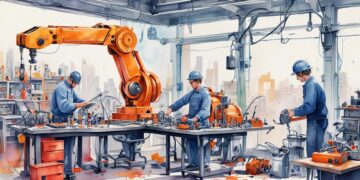
Automation and Job Creation: A Paradox of Economic Growth in the 21st Century
The article explores the paradox of automation's impact on job markets, highlighting efficiency gains and new job roles while acknowledging the challenges of job displacement. It emphasizes the need for reskilling and collaboration among government, businesses, and educational institutions to prepare workers for an evolving economy.

The Future of Consumer Behavior: Trends Shaping Economic Growth
This article explores the evolving trends in consumer behavior driven by technology, sustainability, and health awareness. It highlights the importance of personalization, convenience, and ethical consumption, emphasizing how businesses can adapt to these changes for economic growth and enhanced customer loyalty in a competitive marketplace.
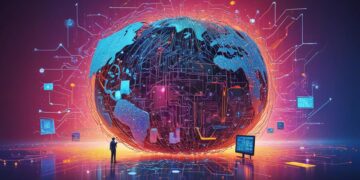
Cybersecurity: Protecting Economic Growth in an Increasingly Digital World
As businesses increasingly rely on digital solutions, cybersecurity has become essential to economic stability. With rising cyber threats impacting various sectors, strong protective measures are crucial for safeguarding operations and maintaining consumer trust, ultimately driving resilient economic growth in a digitally transformed landscape.

The Future of Retirement: Trends in 401(k) Plans and Pension Funds
The article reviews evolving trends in retirement planning, highlighting the importance of 401(k) plans and pension funds. Key shifts include longer lifespans, gig economy dynamics, and increased flexibility in retirement accounts. Technological advancements, such as robo-advisors, also play a crucial role in enhancing financial literacy and planning strategies.