
The Role of Community Banks in Financial Inclusion in the USA
Community banks are vital to fostering financial inclusion in the USA by providing tailored services to underserved populations. Their local knowledge, affordable credit options, and commitment to financial education empower individuals, enhance economic stability, and cultivate trust within communities, ensuring broader access to essential banking services and resources.

The Risks and Benefits of Consumer Credit: An Analysis of Indebtedness in the USA
This analysis explores the vital role of consumer credit in the USA, highlighting its benefits, such as immediate access to funds and credit building, alongside serious risks, including debt accumulation and high-interest rates. Understanding these factors is essential for informed financial decisions and responsible credit management.

How to Build a Strong Credit History: Practical Tips for American Consumers
Building a strong credit history is crucial for American consumers, impacting loans, rental agreements, and even job opportunities. This article provides practical tips on payment habits, credit utilization, and maintaining diverse credit types, empowering you to enhance your credit profile and secure a prosperous financial future.

The Evolution of Digital Banking Services in the USA: The Impact of Technology on Access to Credit
Digital banking in the USA is rapidly evolving, driven by technology that enhances consumer access to credit. Mobile apps simplify transactions, online lenders offer quicker approvals, and alternative data provides a broader view of creditworthiness. This transformation fosters inclusivity, empowering more individuals to navigate financial services effectively.

The Transition to Remote Work: Investing in Home Office Solutions
The shift to remote work emphasizes the importance of effective home office solutions. Investing in ergonomic furniture, reliable technology, and organized spaces enhances productivity and employee well-being. Companies that prioritize these elements and foster a supportive remote culture can significantly improve engagement and performance while also saving costs.

The Expanding Market for Health Technology: Opportunities in Telehealth and Wearable Devices
The healthcare sector is rapidly evolving, driven by technological advancements in telehealth and wearable devices. These innovations improve patient care, expand access, and foster proactive health management, creating significant opportunities for investment and positively impacting health outcomes. This convergence marks a transformative era in healthcare delivery and accessibility.

Housing Inequalities: The Legacy of Redlining
The article explores the enduring impact of redlining on housing inequalities in America, highlighting its historical roots in systemic racism. It discusses the resulting socioeconomic disparities, including property devaluation, limited investment, and access to quality education. Solutions emphasize collaborative efforts for equitable housing reforms and community revitalization.

The Role of Alternative Credit in the Financial Inclusion of Marginalized Communities
Access to traditional financial services is limited for marginalized communities due to systemic barriers. Alternative credit solutions, like peer-to-peer lending, micro-lending, and innovative credit scoring, enhance financial inclusion. These approaches empower individuals, foster entrepreneurship, and promote financial literacy, ultimately uplifting underserved communities and driving economic participation.
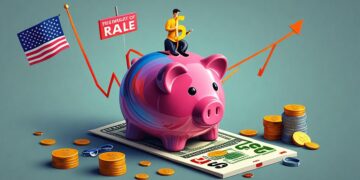
The Impact of Interest Rates on Personal Loan Decisions in the USA
Interest rates significantly influence personal loan decisions in the USA, affecting affordability, loan terms, and borrower behavior. Understanding the interplay between interest rates and credit scores empowers consumers to make informed financial choices, enhancing their borrowing capabilities and overall financial health amidst fluctuating economic conditions.

Emerging Trends in Sustainable Financing and Green Credit in the USA
The article explores the transformative landscape of sustainable financing and green credit in the USA, highlighting innovative mechanisms like green bonds, sustainable investment funds, and government incentives. It emphasizes the importance of integrating environmental factors into financial decisions, fostering both ecological sustainability and economic resilience for investors and corporations alike.