
Financial Education: Strategies to Improve Access to Credit in the USA
Access to credit in the USA is crucial for financial stability. Enhancing financial education through workshops, community support, and school curricula empowers individuals to navigate credit effectively, understand financial concepts, and overcome barriers. These strategies promote greater access to credit, fostering economic growth and equity for underserved populations.

Credit and Inclusion: The Importance of Financial Products for Minorities and Underrepresented Communities
Access to credit and financial products is crucial for minorities and underrepresented communities, fostering economic empowerment and community development. By addressing barriers such as discriminatory lending practices and enhancing financial literacy, we can promote inclusion, enabling individuals to build credit, invest in their future, and contribute to economic growth.

Banks and Blockchain: The Revolution of Loans and Digital Guarantees
Blockchain technology is revolutionizing the lending landscape by streamlining processes and enhancing security. By leveraging smart contracts and asset tokenization, banks can reduce costs, improve access to loans, and foster financial inclusion. This transformation promises a more efficient and equitable borrowing environment for consumers and businesses alike.

The Impact of Digitalization on the Banking Sector: Challenges and Opportunities
The banking sector is undergoing significant digital transformation, enhancing customer experience while facing challenges like cybersecurity and regulatory compliance. This shift presents opportunities for increased efficiency and innovation through data analytics and partnerships, allowing financial institutions to adapt and thrive in a rapidly evolving landscape.

The Future of Fintechs: How Startups Are Transforming Traditional Credit
Fintech startups are revolutionizing traditional credit by enhancing accessibility and efficiency through innovative lending solutions. By leveraging technology for faster applications, alternative credit assessments, and user-friendly financial education, these companies are promoting inclusivity and transparency, reshaping the future of borrowing for consumers seeking financial empowerment.

The Impact of Interest Rates on Credit Accessibility in the USA
Interest rates significantly influence credit accessibility in the USA, impacting consumer spending, borrowing costs, and economic growth. Higher rates can restrict access to loans and discourage purchases, while lower rates promote borrowing and investment. Understanding this dynamic is essential for consumers and businesses navigating financial decisions.
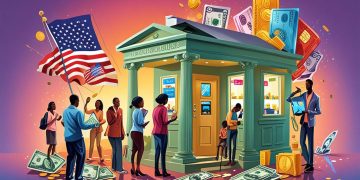
The Role of Banks in the Financial Inclusion of Underprivileged Communities in the USA
Banks are essential in promoting financial inclusion for underprivileged communities in the USA. By providing accessible banking services, credit options, and financial literacy programs, they empower individuals to improve their economic circumstances. Innovative solutions and community partnerships further enhance access, fostering economic stability and reducing financial disparities.

The Evolution of Personal Credit: Comparing Traditional Options and Modern Alternatives
The article explores the evolving landscape of personal credit, comparing traditional options like bank loans and credit cards with modern alternatives such as online lending and peer-to-peer platforms. It highlights the importance of understanding these diverse credit options to empower consumers in making informed financial decisions that align with their unique needs.

The Challenges of Consumer Credit in the Digital Age: The Role of Fintechs
The rise of fintech companies has transformed consumer credit, providing easier access and streamlined processes. However, challenges such as data security, lack of regulation, and financial literacy persist. Consumers must prioritize security and educate themselves to navigate the complexities of credit in the digital age effectively.

Real Estate Credit in Times of Economic Instability: What to Expect?
Economic instability profoundly impacts real estate credit, influencing interest rates, lending standards, and consumer confidence. As borrowing becomes more challenging, buyers may explore alternative financing options and focus on credit repair. Staying informed about emerging trends can empower homebuyers and investors to navigate a fluctuating market effectively.