
Education and Skill Development: Preparing for the Workforce of Tomorrow
The article discusses the evolving workforce and the essential skills needed for future success, emphasizing the importance of technical and soft skills, practical learning opportunities, and technology integration in education. It advocates for a culture of lifelong learning to equip individuals for a dynamic job market and enhance economic resilience.
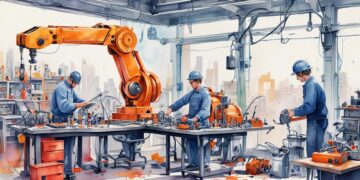
Automation and Job Creation: A Paradox of Economic Growth in the 21st Century
The article explores the paradox of automation's impact on job markets, highlighting efficiency gains and new job roles while acknowledging the challenges of job displacement. It emphasizes the need for reskilling and collaboration among government, businesses, and educational institutions to prepare workers for an evolving economy.
The Role of Venture Capital in Fueling Innovative Economic Growth
Venture capital is vital for economic growth, enabling startups to innovate and create jobs. By providing funding and mentorship, it fosters market expansion and drives technological advancements. Additionally, an increasing focus on diversity ensures a broader range of entrepreneurial perspectives, enhancing creativity and promoting a dynamic economy.
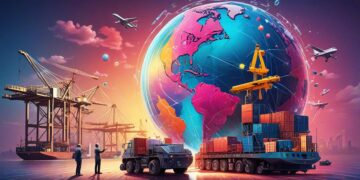
The Future of Commerce: How Globalization and Protectionism Affect Economic Growth
This article explores the dynamics between globalization and protectionism, highlighting their impact on economic growth. It discusses how globalization fosters market expansion and innovation, while protectionism aims to shield domestic industries. Striking a balance between these forces is crucial for sustainable economic development and consumer benefits.

Biotechnology and Health Technology: Pioneering Economic Growth in the Post-Pandemic Era
The COVID-19 pandemic has accelerated advancements in biotechnology and health technology, transforming healthcare delivery and enhancing economic growth. Innovations such as telehealth, personalized medicine, and public-private partnerships are improving patient care and job creation, highlighting the sector's crucial role in shaping a healthier and more prosperous future.

The Impact of Remote Work on Economic Structures and Growth Patterns
Remote work is transforming economic structures by decentralizing labor markets, enhancing employee satisfaction, and driving innovation. Companies are adapting to flexible arrangements, fostering collaboration while impacting local economies and real estate. As businesses embrace this shift, supportive policies are needed to ensure equitable growth and maximize sustainability benefits.

Blockchain Technology: Transforming Financial Systems and Economic Growth
Blockchain technology is revolutionizing finance by enabling decentralized, transparent, and secure transactions. Enhancing efficiency and accessibility, it fosters financial inclusion and drives innovation across various sectors. This transformative force provides new opportunities for individuals to engage in the economy, reshaping financial systems and promoting long-term growth.

The Future of Consumer Behavior: Trends Shaping Economic Growth
This article explores the evolving trends in consumer behavior driven by technology, sustainability, and health awareness. It highlights the importance of personalization, convenience, and ethical consumption, emphasizing how businesses can adapt to these changes for economic growth and enhanced customer loyalty in a competitive marketplace.

The Role of AI in Shaping Future Economic Growth.
Artificial Intelligence is revolutionizing economic growth by enhancing efficiency, improving decision-making, and fostering innovation across various sectors. It enables businesses to automate tasks, analyze data for strategic insights, and enhance customer experiences. Embracing AI is crucial for maintaining competitiveness and driving sustainable economic development in the future.

The Economy of Gigs: Redefining Employment and Driving Economic Growth
The gig economy is reshaping employment by offering flexibility, diverse opportunities, and increased autonomy for workers. This shift not only empowers individuals but also fosters innovation and drives economic growth. However, challenges like income variability and lack of benefits call for ongoing regulatory discussions to support sustainable development.