
The Future of Economic Globalization in the Post-Pandemic Era
The global economy is evolving post-pandemic, driven by supply chain resilience, digital transformation, and sustainability initiatives. Businesses are diversifying operations, embracing technology, and adapting to changing consumer behaviors, while balancing protectionist trade policies. This transformative landscape presents both challenges and opportunities for a more interconnected and responsible future.

The Intersection of Economic Globalization and National Security.
The article explores the complex relationship between economic globalization and national security, highlighting both opportunities for growth and vulnerabilities. It emphasizes the need for nations to balance trade benefits with security risks, including cyber threats and supply chain dependencies, while promoting resilience through strategic policies and collaboration.

Economic Globalization: Opportunities and Challenges for Workers
Economic globalization enhances job opportunities and wages while fostering innovation and economic growth. However, it also poses challenges like job displacement, wage suppression, and labor rights concerns. Adapting to this evolving landscape requires continuous education and advocacy for fair labor practices to create a more equitable global workforce.

Economic Globalization and the Rise of Populism.
This article explores the relationship between economic globalization and the rise of populism, highlighting how job displacement, income inequality, and cultural anxieties fuel discontent. It emphasizes the need for nuanced solutions that empower communities and foster open dialogues to mitigate populist rhetoric and strengthen national identity.

The Environmental Costs of Economic Globalization: An American Perspective
Economic globalization significantly impacts everyday life, contributing to environmental degradation in the U.S. Increased carbon emissions, resource depletion, and biodiversity loss result from consumer demand and production practices. Addressing these challenges requires sustainable consumption, stronger regulations, and innovative solutions to foster environmental responsibility for a healthier planet.

Economic Globalization and Consumer Behavior: Trends in Shopping Habits
Economic globalization is reshaping consumer shopping behaviors, offering vast product access and increased competition. Trends like online shopping, ethical consumerism, and the rise of technologies such as augmented reality and direct-to-consumer brands illustrate how consumers prioritize convenience, values, and personalized experiences in their purchasing decisions.

How Economic Globalization Affects Small Businesses.
Economic globalization offers small businesses access to new markets and diverse supply chains, fostering innovation and collaboration. However, they also face intense competition, regulatory challenges, and economic vulnerabilities. To thrive, small enterprises must adopt strategic approaches, leveraging technology and focusing on personalized customer experiences to stand out in the marketplace.
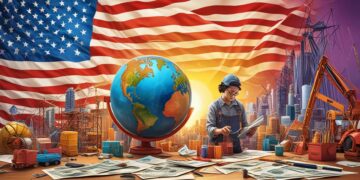
The Impact of Economic Globalization on American Labor Markets
Economic globalization significantly transforms American labor markets by causing job displacement in traditional sectors while fostering growth in technology and service industries. It presents challenges like wage pressure and skill gaps, necessitating collaborative policy responses to enhance worker training and uphold labor rights, ensuring equitable opportunities for all.

Economic Globalization and Immigration: A Complex Relationship
This article explores the intricate relationship between economic globalization and immigration, highlighting how global trade, investment, and technology shape migration patterns. It emphasizes the opportunities and challenges faced by diverse communities, underlining the importance of adaptable immigration policies and social networks for fostering economic growth and social cohesion.

The Role of Trade Agreements in Economic Globalization
Trade agreements play a crucial role in economic globalization by facilitating international trade, enhancing competition, and promoting cooperation among countries. They reduce tariffs, provide market access, and establish standards, leading to economic stability and growth while influencing labor markets and regulatory frameworks in participating nations.