
Building Wealth Through Real Estate Investments: Tips and Strategies
Explore key strategies for building wealth through real estate investments. Discover the benefits of cash flow, appreciation, and tax advantages. Learn essential steps for successful investing, including market research, diversification, and continuous education, to enhance your financial future in the dynamic real estate landscape.

Sustainable Credit: How Financial Institutions Are Promoting Ecological Practices
Financial institutions are increasingly adopting sustainable credit practices to promote ecological initiatives. By offering green loans, eco-friendly mortgages, and integrating environmental assessments, banks support sustainable projects and businesses. This shift fosters community development, aligns with regulatory measures, and enhances consumer trust, ultimately driving responsible economic growth.

The Importance of Financial Education in Creating Personal Wealth
Financial education is essential for building personal wealth, equipping individuals with money management skills, investment knowledge, and debt management strategies. Understanding financial principles promotes confidence, opens job opportunities, and aids in wealth preservation. By prioritizing financial literacy, individuals can navigate economic challenges, achieve financial stability, and secure a prosperous future.
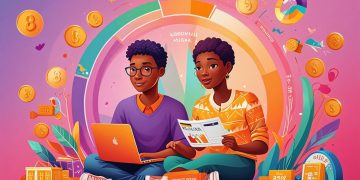
How Credit Score Affects Access to Loans for Minorities
This article examines the critical influence of credit scores on loan access for minority communities. It highlights systemic barriers that contribute to lower credit scores, resulting in financial disadvantages such as higher interest rates and denied loans. Empowerment through education and community resources is essential for overcoming these challenges and promoting equity in financial opportunities.

The Psychology of Money: How Our Beliefs Affect Our Personal Finances
Understanding the psychology of money reveals how our beliefs and emotions shape personal finance choices. By examining factors like childhood influences and societal norms, we can identify detrimental mindsets and adopt healthier financial habits. This exploration empowers individuals to make informed decisions that align with their values, fostering financial stability and growth.
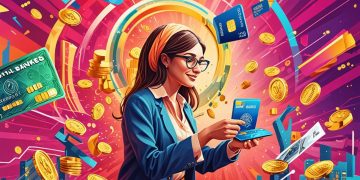
Digital Banks: The Revolution of Credit and Financial Inclusion
Digital banks are transforming personal finance by enhancing accessibility and efficiency. With features like lower fees and 24/7 account access, they promote financial inclusion for underserved communities. By leveraging technology, digital banks revolutionize credit access, empower users with financial education, and challenge traditional banking barriers, creating a more equitable financial ecosystem.

How to Create an Effective Family Budget: Practical Tips for Day-to-Day
Creating an effective family budget empowers financial decision-making and stress reduction. This guide provides essential steps for assessing income, tracking expenses, and setting goals. Practical tips enhance the budgeting process, promoting family collaboration and financial stability, ensuring a secure future while enjoying life's experiences.

Innovations in Financing: The Growth of Peer-to-Peer Lending in the USA
Peer-to-peer (P2P) lending has transformed the financing landscape in the USA, connecting borrowers directly with individual lenders through online platforms. This model offers lower interest rates, greater accessibility, and a streamlined process for loans, while investors benefit from attractive returns and diversification, ensuring a mutually beneficial financial ecosystem.

Strategies for Managing Credit Card Debt and Avoiding High Interest
Learn effective strategies for managing credit card debt and avoiding high interest. By understanding interest rates, creating a budget, prioritizing repayments, and exploring options like consolidation or negotiation, you can alleviate financial stress and work towards a more secure financial future. Take proactive steps for lasting relief.

Tips to Avoid Debt: How to Use Your Credit Card Responsibly
Credit cards offer convenience but can lead to debt if mismanaged. By creating a budget, paying balances in full, and maintaining low credit utilization, individuals can use credit responsibly. Understanding financial implications and fostering disciplined spending habits are essential for avoiding debt and achieving long-term financial stability.